
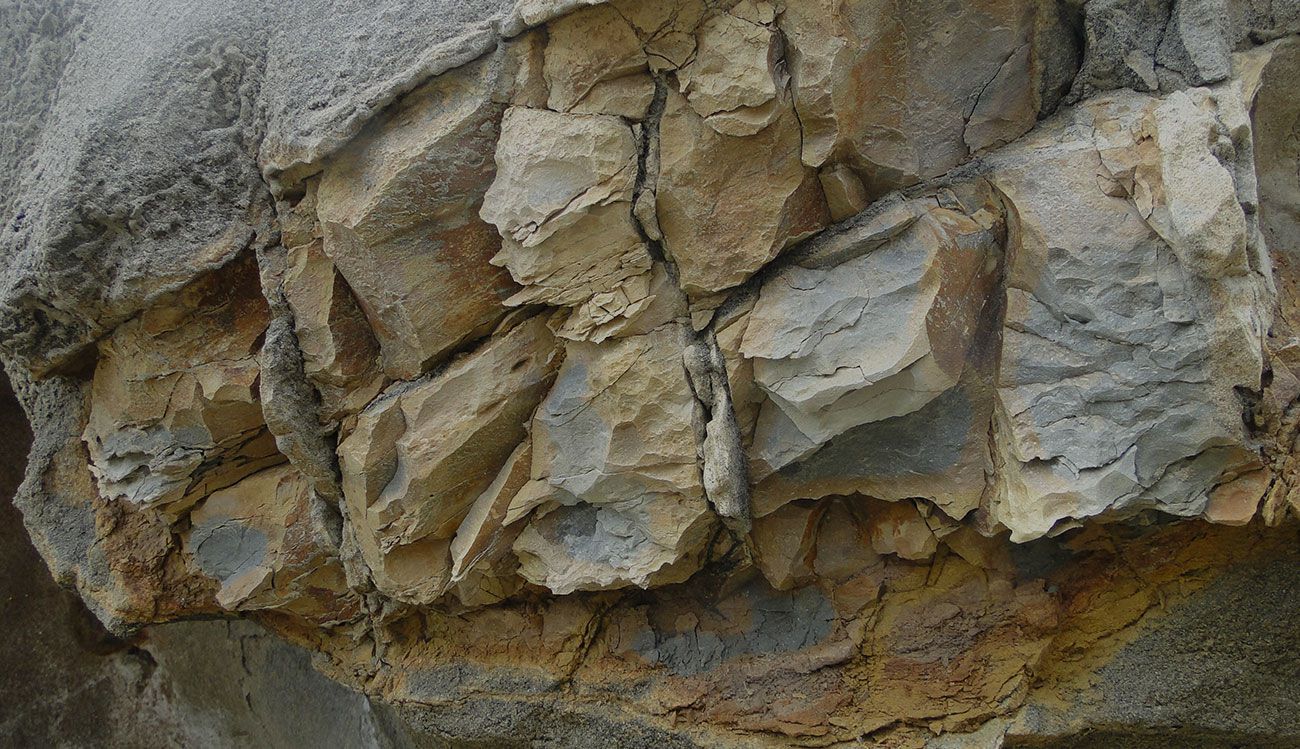

Slope failures pose significant risks to infrastructure, construction projects, and communities in mountainous or unstable terrain. Engineers and project managers must evaluate geological conditions, groundwater movement, and structural loads to maintain safe slopes. One of the most effective approaches to managing slope hazards is combining stabilization techniques with slope monitoring and long-term geotechnical analysis.
At G3SoilWorks, experienced geotechnical professionals provide engineering insights into slope stability, instrumentation strategies, and environmental factors affecting slope performance. Through careful site analysis, engineering design, and advanced instrumentation and monitoring of slope stability, geotechnical teams can detect early warning signs of instability and implement mitigation strategies before failures occur.
This article explores proven engineering methods used to improve slope stability, along with the role of slope stability monitoring, groundwater management, and geotechnical instrumentation in maintaining long-term slope performance.
Before implementing stabilization techniques, engineers must understand why slopes fail. Slope instability can occur due to natural geological processes or human activities that alter slope conditions.
Common causes include:
Because groundwater is one of the most influential factors affecting slope stability, groundwater consultants and specialists in groundwater consulting services often work closely with geotechnical engineers to design drainage and monitoring systems.
While stabilization methods strengthen slopes, slope monitoring provides continuous insight into slope behavior over time. Monitoring systems detect movement, changes in groundwater pressure, and deformation patterns that may indicate potential failure.
Modern instrumentation for slope stability allows engineers to track both surface and subsurface conditions.
Typical monitoring instruments include:
Through continuous instrumentation and monitoring of slope stability, engineers can evaluate slope performance, adjust mitigation strategies, and protect nearby infrastructure.
Several engineering solutions are commonly used to improve slope stability depending on geological conditions, site constraints, and project requirements.
Surface water infiltration is a leading cause of slope instability. Effective drainage systems redirect water away from vulnerable slopes.
Typical drainage solutions include:
By controlling surface runoff, these systems reduce erosion and prevent water from infiltrating slope materials.
Environmental engineers and groundwater monitoring services professionals often assist with drainage design to ensure long-term effectiveness.
Groundwater pressure can significantly weaken slopes by increasing pore pressure within soils. Subsurface drainage systems relieve this pressure.
Common groundwater control methods include:
Collaboration with groundwater consultants and experts in groundwater consulting services helps ensure groundwater conditions are accurately assessed and controlled.
One of the most straightforward methods to improve slope stability is adjusting slope geometry.
Engineering strategies include:
These changes reduce the gravitational forces acting on the slope and improve stability.
Structural reinforcement strengthens slopes and provides additional support where natural stability is insufficient.
Common reinforcement methods include:
Soil nailing
Steel bars installed into slopes to reinforce soil and improve resistance to movement.
Rock bolts and anchors
Used to stabilize fractured rock masses.
Retaining walls
Constructed to hold soil in place along steep slopes.
Geosynthetic reinforcement
Geotextiles and geogrids enhance soil strength and prevent erosion.
Many Geotech consultants recommend combining reinforcement systems with slope stability monitoring to verify performance after installation.
Vegetation can significantly improve slope stability through root reinforcement and erosion control.
Bioengineering solutions include:
Plant roots increase soil cohesion while vegetation reduces surface erosion.
In rocky terrain, falling debris can pose serious hazards to infrastructure and workers.
Protective systems include:
These systems are commonly used along highways, rail corridors, and construction sites located beneath steep slopes.
Engineering stabilization measures should always be supported by a well-designed monitoring program.
A typical slope stability monitoring program includes:
Site characterization
Detailed geological and geotechnical investigations.
Instrumentation selection
Choosing appropriate instrumentation for slope stability such as piezometers or inclinometers.
Data collection systems
Automated monitoring platforms that provide real-time data.
Threshold alarms
Alert systems that notify engineers when movement exceeds safe limits.
Data interpretation
Experienced geotechnical engineers analyze monitoring data to identify trends.
Through proper instrumentation and monitoring of slope stability, engineers can evaluate the effectiveness of stabilization systems and identify emerging risks.
Advances in technology are transforming how engineers assess slope behavior.
Emerging tools include:
Satellite InSAR monitoring
Tracks millimeter-scale ground deformation across large areas.
Wireless sensor networks
Enable remote monitoring in difficult terrain.
Automated geotechnical instrumentation
Provides real-time monitoring data accessible through cloud platforms.
Artificial intelligence analytics
Predict slope movement trends using historical monitoring data.
These technologies allow engineers and Geotech consultants to manage slopes more efficiently and reduce the risk of unexpected failures.
Slope stabilization and monitoring require specialized expertise in geology, soil mechanics, hydrology, and engineering design.
Professional Geotech consultants evaluate:
Integrated engineering approaches that combine stabilization systems with groundwater monitoring services and advanced instrumentation provide the most reliable long-term results.
Maintaining stable slopes is essential for protecting infrastructure, communities, and natural environments in areas with challenging terrain. Engineering solutions such as drainage systems, reinforcement structures, and vegetation management can significantly improve slope stability.
However, stabilization methods alone are not enough. Continuous slope monitoring, combined with advanced instrumentation for slope stability and professional engineering analysis, provides the data needed to detect early warning signs and prevent failures.
At G3SoilWorks, experienced geotechnical engineers and environmental specialists help clients implement comprehensive monitoring and stabilization strategies tailored to site-specific conditions. Through expert consulting, advanced instrumentation, and collaboration with groundwater consultants, engineering teams can deliver safer, more resilient slope management solutions.
What industries rely most on slope monitoring systems?
Slope monitoring systems are widely used in mining operations, transportation infrastructure projects, dam safety programs, hillside construction developments, and landslide hazard mitigation efforts.
What role do geotechnical engineers play in slope stability analysis?
Geotechnical engineers evaluate soil and rock properties, groundwater conditions, and slope geometry to determine the likelihood of failure and recommend stabilization measures and monitoring programs.
Can slope monitoring help predict landslides?
While it cannot predict every landslide, slope monitoring can detect deformation trends, groundwater pressure changes, and movement patterns that indicate increasing instability, allowing engineers to implement preventative measures.
How do engineers choose the right instrumentation for slope stability?
Instrumentation selection depends on slope conditions, depth of potential failure surfaces, groundwater presence, and monitoring objectives. Engineers often combine multiple sensors to capture both surface and subsurface movement.
Successful projects typically combine proper engineering design, groundwater management, reinforcement systems, and continuous slope monitoring to verify that stabilization methods perform as expected over time.
Follow, engage, learn. Stop by our blog to see what’s happening at G3SoilWorks.
G3Soilworks – a full service geotechnical/ engineering geologic consulting firm serving clients since 2009 and delivering expert solutions with our highly experienced team and specialized consultants.
G3SoilWorks
350 Fischer Avenue Costa Mesa, CA 92626
Tel. 714.668.5600
E. info@g3soilworks.com


