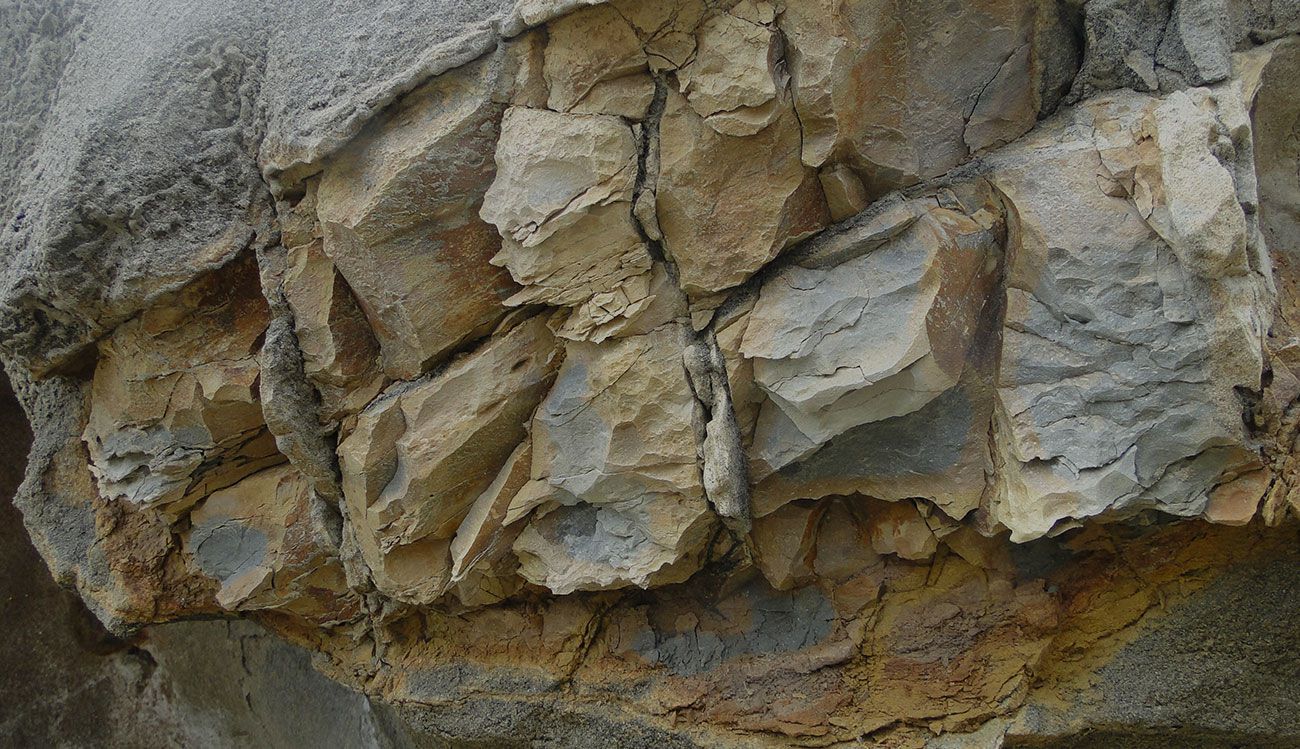
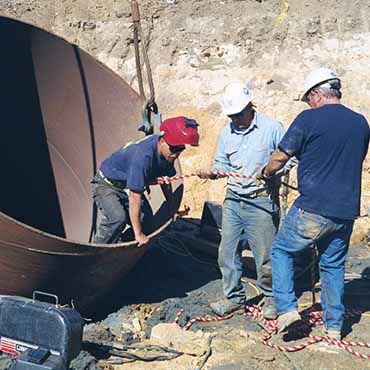
When planning construction or land development, one of the most important experts to have on your team is a geotechnical engineer. At G3SoilWorks, we understand how critical soil, rock, and groundwater conditions are to the success of any project. From identifying risks to providing advanced geotechnical engineering services, these professionals help ensure safety, stability, and cost-efficiency every step of the way.
Who Is a Geotechnical Engineer?
A geotechnical engineer is a civil engineering specialist who studies the earth’s materials—soil, rock, and groundwater—and determines how they interact with structures. Their role goes far beyond simply “testing dirt.” They assess how natural conditions affect construction and design, and how man-made structures will behave when placed on or within the ground.
Key responsibilities include:
- Conducting soil and rock testing
Geotechnical engineers gather soil and rock samples from different depths of a site. These are tested in laboratories for properties such as density, shear strength, compressibility, and permeability. Such testing helps determine whether the soil can support foundations or if it needs reinforcement. For example, sandy soil may drain water quickly but lack cohesion, while clay retains water but expands and contracts significantly.
- Analyzing slope stability and foundation strength
Slopes and hillsides pose unique challenges. A geotechnical engineer evaluates whether a slope is stable under natural conditions or after construction. They model possible failure scenarios, such as landslides, and recommend stabilization measures like retaining walls, soil nails, or terracing. Likewise, foundation strength assessments ensure that structures will not sink or tilt over time.
- Assessing risks like landslides, erosion, or settlement
Natural hazards can impact both new and existing projects. Geotechnical engineers assess whether soil is prone to erosion, how nearby water bodies might affect stability, or whether the land could settle unevenly under a heavy load. In earthquake-prone regions, they also evaluate liquefaction risks, where soil temporarily loses strength and behaves like a liquid.
- Designing solutions to support safe and sustainable construction
After identifying risks, engineers design solutions tailored to the site. These may include deep pile foundations for weak soil, slope reinforcement to prevent collapse, or drainage systems to redirect groundwater. Their work ensures that structures are not only safe but also durable and cost-effective over time.
When to Hire a Geotechnical Engineer
Not every small project requires specialized soil studies, but many situations absolutely demand the expertise of a geotechnical engineer. Knowing when to bring one in can make the difference between success and costly failure.
- Building large structures
Skyscrapers, bridges, dams, and power plants place immense pressure on the ground. A thorough geotechnical evaluation is essential to confirm that the soil can bear the weight. For example, the foundation requirements of a 20-story office tower are vastly different from those of a single-family home. Without professional input, there’s a risk of uneven settling, cracks, or even collapse.
- Challenging terrain
Building on hillsides, cliffs, or areas with soft soil requires advanced expertise. A geotechnical engineer can identify slope stability concerns and recommend ways to prevent landslides. For instance, hillside developments in California often need reinforced retaining walls and soil stabilization techniques.
- Water-related projects
If your site is near rivers, lakes, or in a flood-prone area, groundwater is a key concern. Rising water tables can weaken soil, and poor drainage can damage foundations. Geotechnical engineers analyze how water flows through and around soil layers and recommend drainage, waterproofing, or elevation solutions.
- Public safety and compliance
Many local jurisdictions require geotechnical reports before granting building permits, especially for large projects or those in high-risk zones. Hiring an engineer ensures that your project complies with safety regulations and avoids delays during approval.
- Cost control
Early involvement of a geotechnical engineer can save substantial money. By identifying soil weaknesses ahead of time, you avoid expensive mid-construction fixes. For example, finding out late in a project that soil cannot support a chosen foundation type may require redesigning the entire structure.
What to Expect From a Geotechnical Engineer
When you hire a geotechnical engineer, you gain a partner who guides you from site analysis to construction completion. The process generally follows a systematic approach:
- Site Investigation
The first step is a thorough inspection of the property. Engineers drill boreholes and collect soil samples from different depths. They may also conduct field tests such as Standard Penetration Tests (SPT) or Cone Penetration Tests (CPT) to assess soil density and strength on-site. This phase provides a clear picture of what lies beneath the surface.
- Testing
Samples collected during the site investigation are analyzed in laboratories. Tests measure soil properties like shear strength, plasticity, compressibility, and permeability. These factors determine how soil will respond to loads, water, or seismic activity. Groundwater monitoring may also be performed to evaluate seasonal changes in water tables.
- Reporting
Once analysis is complete, the engineer prepares a detailed geotechnical report. This document summarizes findings, identifies potential risks, and outlines the engineering recommendations. For builders and architects, this report is an essential guide for planning foundations and structural systems.
- Recommendations
Based on the data, the engineer proposes tailored solutions. Recommendations may include specific foundation types (shallow, deep, or pile foundations), slope stabilization techniques, or drainage systems. These solutions are designed to keep the structure stable and safe throughout its lifespan.
- Construction Monitoring
The job does not end with recommendations. Many geotechnical engineers provide on-site monitoring to ensure contractors follow best practices. They may supervise soil compaction, confirm foundation installation, and check that drainage systems are functioning as designed. This oversight minimizes risks of future structural failures.
Stages of the Geotechnical Engineering Process
To make the process easier to follow, here’s a clear outline of each stage, with detailed explanations of what happens and why it matters:
1. Site Investigation: Collecting Soil and Site Data
The first step of the process is a detailed site investigation. Engineers visit the location to study surface conditions and collect subsurface information. This stage often involves:
- Drilling boreholes to extract soil and rock samples from different depths.
- Sampling and classification, where soil is categorized based on its texture, moisture, and composition.
- Observation of site conditions, including slope angles, vegetation, drainage patterns, and any signs of erosion.
Why it matters: The goal is to create a clear picture of what lies beneath the ground before construction begins. By identifying soil types, groundwater presence, and existing geological features, engineers can anticipate challenges early and reduce costly surprises later in the project.
2. Testing: Measuring Soil and Groundwater Properties
Once samples are collected, they are taken to specialized laboratories for rigorous testing. Common geotechnical tests include:
- Standard Penetration Test (SPT) to determine soil density and strength.
- Cone Penetration Test (CPT) to measure soil resistance and layering.
- Permeability tests to see how quickly water moves through the soil.
- Shear strength tests to measure soil’s ability to resist sliding forces.
Field tests may also be conducted on-site, such as groundwater monitoring and plate load tests.
Why it matters: These tests provide precise data about the soil’s behavior under load, during rainfall, or in seismic events. With this knowledge, engineers can predict how soil will respond when foundations, roads, or retaining walls are constructed.
3. Reporting: Summarizing Findings and Risks
After the investigation and testing phases, the geotechnical engineer compiles the results into a detailed report. This report is a cornerstone document for project planners and often includes:
- Soil profiles showing layers of soil and rock at different depths.
- Groundwater conditions, including seasonal fluctuations.
- Potential risks, such as settlement, liquefaction, or slope instability.
- Engineering interpretations, explaining how the soil will behave under construction loads.
Why it matters: The geotechnical report acts as a guide for architects, structural engineers, and contractors. It ensures that design decisions are based on scientific data rather than assumptions, reducing the risk of costly structural problems.
4. Recommendations: Designing Practical Solutions
Based on the findings, the geotechnical engineer provides tailored recommendations to address potential risks. These solutions may include:
- Foundation design: Choosing between shallow footings, deep piles, or reinforced slabs depending on soil conditions.
- Slope stabilization: Suggesting retaining walls, soil nails, or terracing for hillside construction.
- Drainage systems: Installing sub-drains, culverts, or grading adjustments to control water flow.
- Seismic considerations: Reinforcement measures to address earthquake-related risks like liquefaction.
Why it matters: Every site is unique, and the recommendations ensure that structures are designed to match the specific ground conditions. This stage translates raw data into actionable steps that keep the project safe and efficient.
5. Construction Monitoring: Ensuring Compliance
The final stage involves continuous oversight during construction. Even with detailed recommendations, execution in the field is critical. Geotechnical engineers may:
- Supervise excavation and foundation installation to confirm they match the design.
- Monitor soil compaction to ensure proper density for stability.
- Inspect drainage systems to confirm water is being properly diverted.
- Verify compliance with local building codes and safety standards.
Why it matters: Construction monitoring provides a safety net, ensuring that the plans on paper are properly implemented in the real world. Without this oversight, even the best designs may fail if contractors cut corners or miss critical steps.
This structured approach ensures nothing is overlooked and that your project is built on solid ground.
What to Look For in a Geotechnical Engineer
Not all engineers bring the same experience or expertise. When choosing the right professional, keep these qualities in mind:
- Experience
Look for engineers who have worked on projects similar to yours. A professional with experience in commercial high-rises may not be the best fit for small residential projects, and vice versa. Reviewing their past projects helps you understand their strengths.
- Local Knowledge
Soil and geological conditions vary widely by region. Hiring someone familiar with local terrain and seismic risks provides an advantage. For example, engineers in Southern California must account for earthquakes and liquefaction, while those in coastal areas may focus on erosion and flooding.
- Credentials
Verify that the engineer holds appropriate licenses and certifications. Professional Engineer (P.E.) status, for example, demonstrates that they meet rigorous industry standards. Certifications from organizations like the American Society of Civil Engineers (ASCE) further indicate credibility.
- Clear Communication
Technical details can be overwhelming for clients. A skilled geotechnical engineer should explain findings in straightforward terms and answer questions clearly. Good communication prevents misunderstandings and keeps projects moving smoothly.
- Comprehensive Services
Ideally, your engineer should provide a full range of services—from site investigation and testing to design recommendations and construction monitoring. This eliminates gaps in responsibility and ensures consistency throughout the project.
Conclusion
A geotechnical engineer plays a vital role in ensuring that construction projects are safe, efficient, and built to last. Their work spans soil testing, risk analysis, foundation design, and construction oversight—every element needed to safeguard structures from the ground up. By offering advanced geotechnical engineering services, they protect investments and lives while helping projects succeed.
At G3SoilWorks, our team is dedicated to providing reliable solutions that are tailored to your specific site conditions. From challenging terrain to water-related risks, we bring expertise and local knowledge that ensure success. If you’re planning a construction or land development project, investing in geotechnical expertise is one of the smartest decisions you can make. Contact our team today to discuss how we can support your next project.
FAQs
- How long does a geotechnical engineering study usually take?
The timeline depends on project size and soil conditions, but most studies range from a few weeks for smaller projects to several months for complex developments.
- What industries benefit most from geotechnical engineering?
Beyond construction, industries such as mining, energy, and environmental remediation rely on geotechnical engineers to assess ground stability and design safe infrastructure.
- Can geotechnical engineers help with existing structural problems?
Yes, they often investigate issues like foundation cracks, uneven settling, or slope failures and recommend corrective measures to restore stability.