Understanding the role of geotechnical engineers is essential for anyone exploring careers in civil engineering or construction. If you’ve ever asked yourself what do geotechnical engineers do, you’ll find that these professionals are at the core of how our built environment is designed and made safe. At G3SoilWorks, geotechnical engineering is more than just soil testing—it’s about providing the expertise, analysis, and innovative solutions that ensure the stability of structures and infrastructure. Through advanced geotechnical engineering services, professionals help reduce risks and improve the performance of everything from roads and bridges to skyscrapers and dams.
What is a Geotechnical Engineer?
A geotechnical engineer is a civil engineer who specializes in understanding the physical and mechanical properties of earth materials such as soil, rock, and groundwater. Their expertise forms the foundation for designing safe and sustainable structures.
Expanded details:
- Soil Mechanics Knowledge: Geotechnical engineers analyze how different soil types behave under varying conditions—whether compacted, saturated with water, or exposed to loads from buildings and roads.
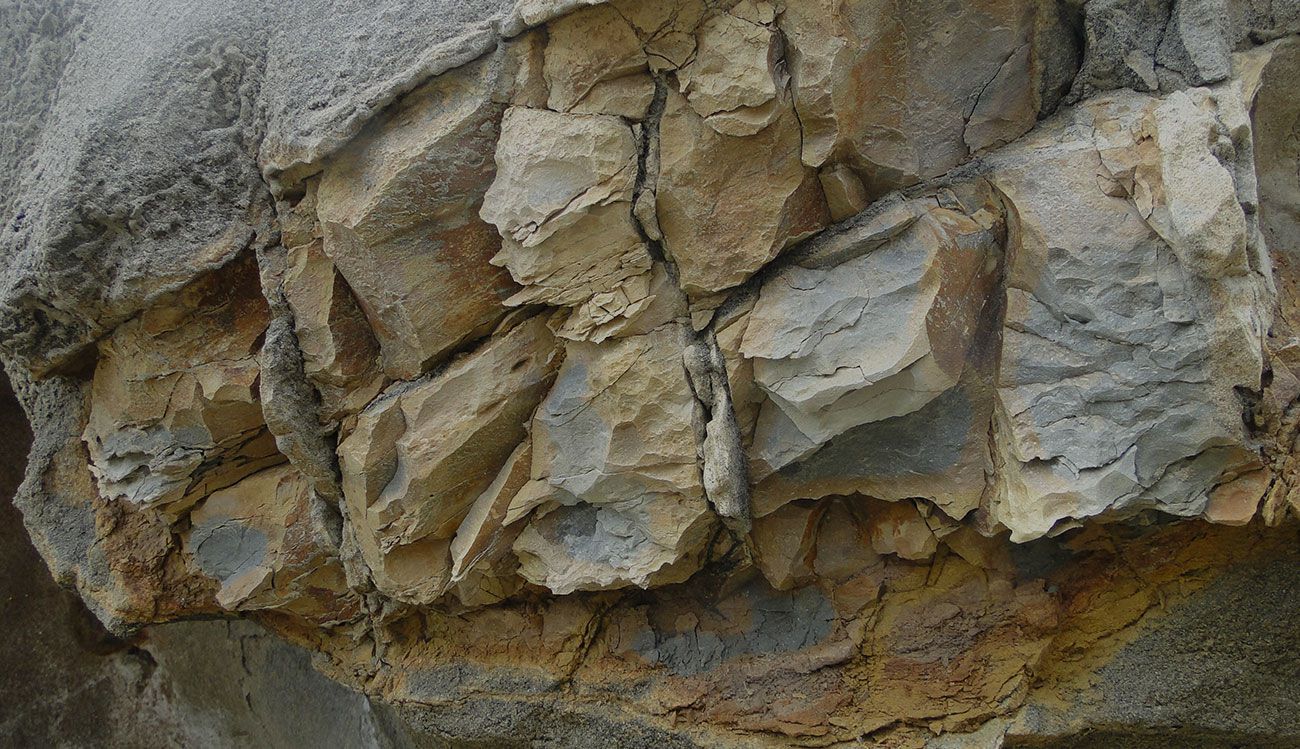
- Rock Engineering Expertise: They also assess rock strength, fracture patterns, and geological hazards like fault lines.
- Groundwater Influence: Water can drastically alter soil stability. Engineers study groundwater flow to prevent issues like flooding, erosion, or soil liquefaction.
- Bridge Between Geology and Engineering: They serve as the link between natural earth sciences and applied engineering, turning raw geologic data into practical solutions.
In essence, geotechnical engineering is about identifying potential hazards underground and finding ways to design around them before construction even begins.
What Does a Geotechnical Engineer Do?
The responsibilities of a geotechnical engineer span a wide range of tasks critical to construction and infrastructure projects.
1. Site Investigations
Before construction begins, geotechnical engineers conduct in-depth fieldwork:
- Collecting soil samples using drilling rigs, augers, or test pits.
- Performing tests such as the Standard Penetration Test (SPT) or Cone Penetration Test (CPT) to measure soil density and strength.
- Mapping the stratigraphy (layers) of soil and rock to predict how the ground will behave under load.
- Creating geotechnical reports that inform builders, architects, and project owners about potential risks.
2. Foundation Design
Every structure needs a foundation tailored to site conditions. Geotechnical engineers:
- Recommend shallow foundations (spread footings, mats) for strong soils.
- Suggest deep foundations (piles, drilled shafts) when soil is weak or compressible.
- Provide settlement analysis to ensure structures don’t sink or tilt unevenly.
- Factor in seismic considerations in earthquake-prone areas, like much of California.
3. Slope Stability Analysis
Construction in hilly or mountainous areas requires special attention. Engineers:
- Study soil and rock slopes to prevent landslides or slope failures.
- Design retaining walls, terracing systems, or rock anchors to stabilize slopes.
- Use computer models to simulate worst-case conditions such as heavy rainfall or seismic shaking.
- Recommend drainage systems to reduce water pressure that can weaken slopes.
4. Groundwater Studies
Groundwater can significantly affect project safety and costs. Geotechnical engineers:
- Assess the depth of the water table and seasonal variations.
- Evaluate the risk of soil liquefaction, where saturated soil behaves like liquid during earthquakes.
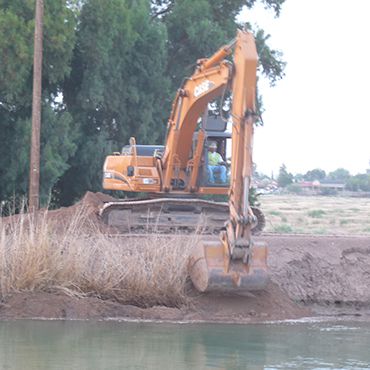
- Recommend dewatering systems (pumps, drains) for excavation sites.
- Study contaminant migration for projects requiring environmental compliance.
5. Risk Mitigation
To protect people and investments, engineers provide solutions such as:
- Designing ground improvement methods like soil stabilization, compaction grouting, or geotextiles.
- Advising on material choices and construction techniques suited to local geology.
- Monitoring construction sites to identify unforeseen ground conditions early.
- Preparing contingency plans for potential hazards (e.g., sinkholes, seismic faulting).
Through these roles, geotechnical engineering companies like G3SoilWorks provide essential insights that influence both the safety and cost-effectiveness of construction projects.
What is the Workplace of a Geotechnical Engineer Like?
The workplace of a geotechnical engineer is highly dynamic, blending office work with fieldwork.
- On-Site Fieldwork: Engineers spend time outdoors, supervising drilling crews, collecting soil cores, and installing monitoring devices such as inclinometers or piezometers. This often means traveling to remote or rugged project locations.
- Laboratories: Collected samples are brought to labs where engineers test for compressibility, shear strength, moisture content, and permeability. Lab work allows them to simulate construction conditions.
- Office and Design Work: Much of their work involves analyzing field and lab data using advanced software like PLAXIS, GeoStudio, or AutoCAD Civil 3D. They model soil-structure interaction and design foundations accordingly.
- Collaboration: Geotechnical engineers work alongside architects, construction managers, and environmental scientists. This collaboration ensures designs are feasible, sustainable, and compliant with safety codes.
This blend of environments keeps the profession both technical and hands-on.
Civil Engineering Related Careers and Degrees
Geotechnical engineers are part of the broader field of civil engineering, which offers many career paths.
- Structural Engineers: Focus on ensuring buildings, bridges, and towers can handle loads like wind, traffic, and earthquakes. They often rely on geotechnical reports to determine safe foundation designs.
- Transportation Engineers: Specialize in designing roadways, tunnels, and airports. Soil analysis helps them plan durable pavements and stable embankments.
- Environmental Engineers: Oversee water quality, waste management, and remediation of contaminated soils. Geotechnical studies support them in landfill design and groundwater protection.
- Construction Engineers: Manage large-scale infrastructure projects, making sure geotechnical recommendations are properly implemented during construction.
These career paths overlap, showing how geotechnical engineering services provide the backbone for many aspects of civil engineering.
Engineering Specializations and Degrees
Engineering is a vast field, and students often choose specializations aligned with their interests.
- Geotechnical Engineering: A focused track within civil engineering dealing with soil and rock mechanics. Many universities offer master’s or doctoral programs for deeper specialization.
- Hydraulic and Water Resources Engineering: Concentrates on designing dams, canals, levees, and flood-control systems. Understanding soil permeability is crucial here.
- Geological Engineering: Combines geology with engineering to evaluate natural hazards like earthquakes, sinkholes, or volcanic activity.
- Environmental Engineering: Deals with waste treatment, pollution control, and sustainable design—all areas where geotechnical expertise overlaps.
Educational Pathways:
- A Bachelor’s degree in Civil Engineering is typically the starting point.
- Some pursue a Master’s degree in Geotechnical Engineering to deepen expertise.
- Licensure as a Professional Engineer (PE) is critical for career advancement.
- Continuing education and certifications (e.g., from ASCE or state boards) enhance credibility.
Conclusion
So, what do geotechnical engineers do? In simple terms, they ensure that every construction project is built on a strong, safe, and reliable foundation. By combining scientific analysis with engineering design, they address critical challenges that impact safety, sustainability, and cost efficiency. Companies like G3SoilWorks play a vital role in delivering comprehensive geotechnical engineering services that support successful infrastructure projects. With the help of skilled professionals and trusted geotechnical engineering companies, our world continues to expand safely and sustainably.
FAQs
- How long does it take to become a geotechnical engineer?
Typically, it takes about four years to earn a bachelor’s degree in civil engineering, followed by two additional years for a master’s in geotechnical engineering. Many also pursue licensure, which adds several years of professional experience.
- What industries employ geotechnical engineers outside of construction?
Beyond construction, geotechnical engineers are employed in mining, energy (oil, gas, and renewables), environmental consulting, and disaster risk management sectors.
- What technologies are transforming geotechnical engineering today?
Emerging tools like drone surveying, LiDAR mapping, and AI-driven soil modeling are helping engineers collect more accurate data and design safer, cost-effective projects.