
When considering distress properties, whether for investment, redevelopment, or safety purposes, a thorough evaluation process is essential. At G3SoilWorks, our team of seasoned geologic engineers brings over 100 years of combined geotechnical, environmental, and engineering geology experience across the western United States. With this expertise, we guide property owners, developers, and investors through the complex process of evaluating distressed properties to ensure informed and responsible decisions.
The term “distressed properties” is often associated with financial hardship, such as foreclosures or bank-owned real estate. However, from a geotechnical and engineering standpoint, property distress often arises from physical and environmental conditions that compromise safety and value.
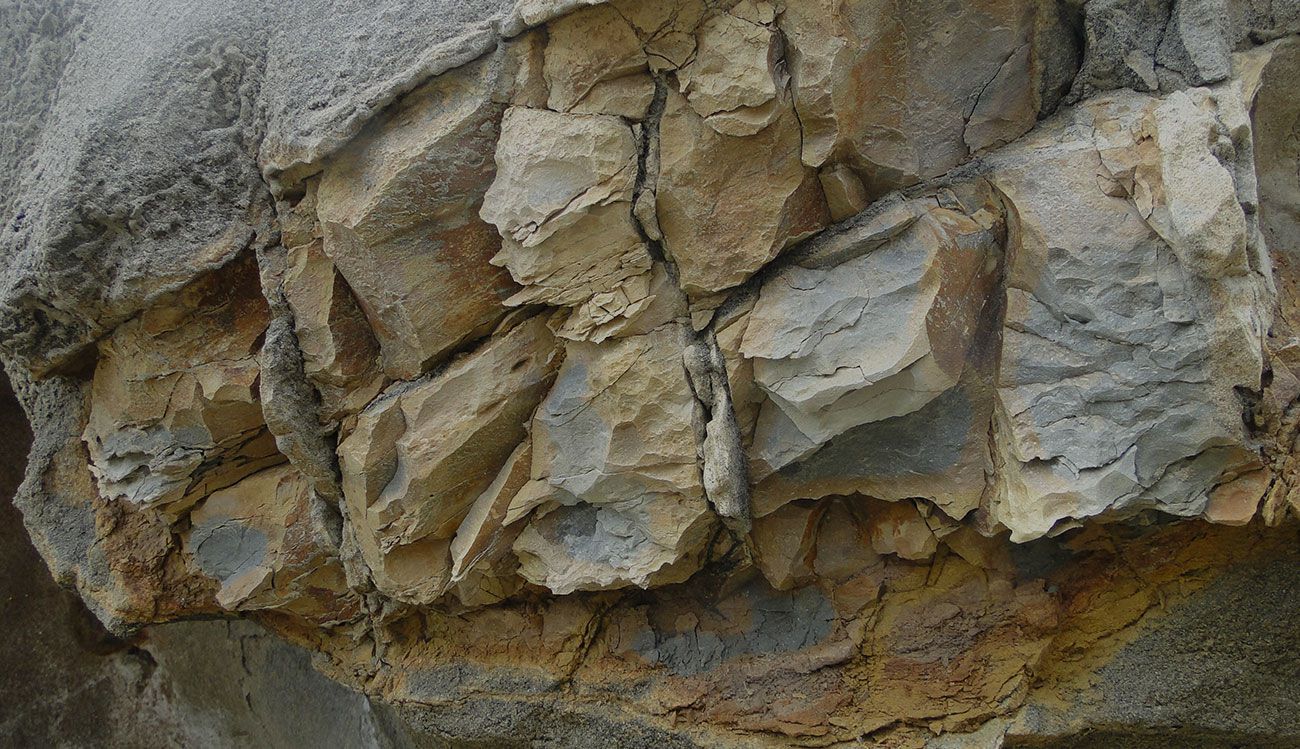
For example, geological hazards such as landslides, unstable slopes, or soil creep can threaten the integrity of both land and structures. Structural issues like foundation failures, cracking, or uneven settlement may signal that the ground beneath the property is unstable. Environmental factors such as groundwater intrusion, erosion, or even contamination can further reduce property viability.
Understanding these categories is crucial because they shape the scope of a distress investigation and determine the path forward for remediation or redevelopment.
A distress investigation is crucial before acquiring, repairing, or redeveloping a property. Without it, property owners risk overlooking hidden dangers that could result in significant financial loss or safety hazards.
Investigations help avoid unexpected repair costs by identifying underlying conditions that could worsen over time. They also reduce liability by addressing safety concerns that might put occupants or neighboring properties at risk. Just as importantly, they allow investors and developers to understand the true value of the property, ensuring decisions are based on accurate information rather than surface-level appearances.
At G3SoilWorks, we specialize in uncovering these unseen issues, using decades of field experience combined with advanced geotechnical methods to deliver precise and reliable results.
A distress evaluation is a structured process that moves from surface-level observations to in-depth technical analysis. Each step builds upon the last to provide a comprehensive understanding of the property’s condition.
The first step is to gather as much information as possible about the property’s history and current state. This often involves reviewing property records, municipal reports, and past engineering assessments. Historical maps and aerial photographs may reveal past disturbances such as grading, excavation, or landslides that affect the current stability of the site.
During this stage, visible signs of distress are also noted. Cracks in walls, sloping floors, or uneven pavement may point to soil settlement or subsurface movement. Even seemingly minor signs, like doors that no longer close properly, can be early warnings of larger issues.
Once preliminary information has been gathered, experts perform on-site inspections to get a closer look at the conditions affecting the property. Field surveys are conducted to measure ground movement, slope angles, and surface drainage patterns. For example, poor drainage can accelerate erosion or increase the risk of landslides.
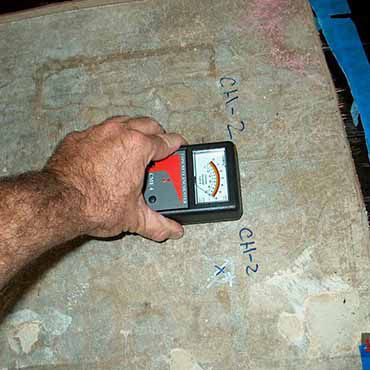
Soil and rock samples are often collected for laboratory testing. These tests determine properties such as soil strength, density, and composition. The foundation, retaining walls, and other structural components are carefully examined to assess whether they show signs of distress, deterioration, or instability.
Many property issues originate below the surface, which makes subsurface investigations essential. Techniques such as drilling soil borings, installing piezometers, or placing inclinometers are used to measure soil strength, detect groundwater conditions, and monitor slope movement over time.
Laboratory analysis of these samples provides insight into load-bearing capacity, compaction, and stability. For example, if soils are found to be weak or highly expansive, they may not support the existing or planned structures without significant reinforcement. Groundwater evaluation also plays a key role, since fluctuating water levels can destabilize slopes or weaken foundations.
Environmental factors often exacerbate property distress. Groundwater intrusion can flood basements, erode soils, and weaken retaining walls. In some areas, flooding and poor stormwater management may also contribute to recurring issues.
Contamination is another concern, particularly in properties located near industrial areas or historic landfills. A proper environmental review determines whether remediation is required to make the property safe for future use. Compliance with local, state, and federal environmental regulations is also evaluated during this stage.
After collecting and analyzing data, the engineering team prepares a comprehensive report that explains the causes of the property’s distress and provides solutions. Depending on the findings, recommendations may include slope stabilization measures such as retaining structures or soil nails, foundation reinforcement techniques like underpinning, or drainage improvements to control water flow.
Cost-benefit analyses are often included, helping clients weigh the value of repair against the potential benefits of redevelopment. These recommendations not only resolve existing issues but also help prevent future problems, protecting the investment over the long term.
While evaluations are thorough, it’s important to acknowledge certain limitations:
When discussing distress properties, several technical terms often arise. Having a basic understanding of these terms helps property owners communicate more effectively with engineering professionals.
| Property Issue | Possible Cause | Evaluation Method |
| Cracks in walls/foundations | Soil settlement or poor compaction | Structural inspection, soil sampling, settlement analysis |
| Sloping floors/tilting walls | Uneven foundation movement | Geotechnical borings, load-bearing capacity tests, inclinometer monitoring |
| Water in basements | Groundwater intrusion or drainage | Groundwater monitoring, hydrological study, drainage inspection |
| Hillside instability | Landslides or soil creep | Slope stability analysis, topographic surveys, long-term movement monitoring |
| Contaminated soils | Industrial or landfill history | Environmental site assessment, soil chemistry testing, regulatory compliance review |
Evaluating distress properties requires a unique blend of technical expertise, field experience, and problem-solving. At G3SoilWorks, our principals are veterans in the field of geotechnical and environmental consulting, having worked on countless projects across Southern California and the western United States.
We offer accurate, science-driven evaluations backed by decades of field data and engineering knowledge. Our recommendations are not just theoretical—they are practical, actionable, and cost-effective. When you work with G3SoilWorks, you receive a tailored solution designed to protect your property, your investment, and your peace of mind.
Every property is unique, and the recommendations outlined here must be adapted to site-specific conditions. A professional consultation with a qualified engineering team is necessary to ensure an accurate evaluation and safe corrective measures.
A thorough evaluation of distress properties is not just about identifying problems—it’s about uncovering opportunities to make informed and confident decisions. Through structured distress evaluations, property owners gain a clear picture of the challenges they face and the solutions available.
At G3SoilWorks, our team of geologic engineers provides unmatched expertise in distress investigation and remediation strategies. With over a century of combined experience, we deliver reliable, practical, and science-based solutions that safeguard both properties and investments. If you’re dealing with a distressed property or planning to purchase one, trust G3SoilWorks to provide the clarity and confidence you need.
FAQs
Q1. How long does a typical distress property evaluation take?
The timeline varies depending on the complexity of the site, but most evaluations range from a few days for a basic inspection to several weeks when subsurface monitoring or lab testing is required.
Q2. Can a distressed property ever be fully restored to stable conditions?
Yes, with the right geotechnical solutions such as slope stabilization, foundation reinforcement, or drainage redesign, many distressed properties can be restored to safe, functional use. The feasibility depends on site-specific conditions.
Q3. What factors make some properties more prone to distress than others?
Properties located on steep hillsides, near fault lines, or in flood-prone areas are more susceptible. Soil type, construction practices, and local climate also play a major role in long-term stability.
Follow, engage, learn. Stop by our blog to see what’s happening at G3SoilWorks.
G3Soilworks – a full service geotechnical/ engineering geologic consulting firm serving clients since 2009 and delivering expert solutions with our highly experienced team and specialized consultants.
G3SoilWorks
350 Fischer Avenue Costa Mesa, CA 92626
Tel. 714.668.5600
E. info@g3soilworks.com


