
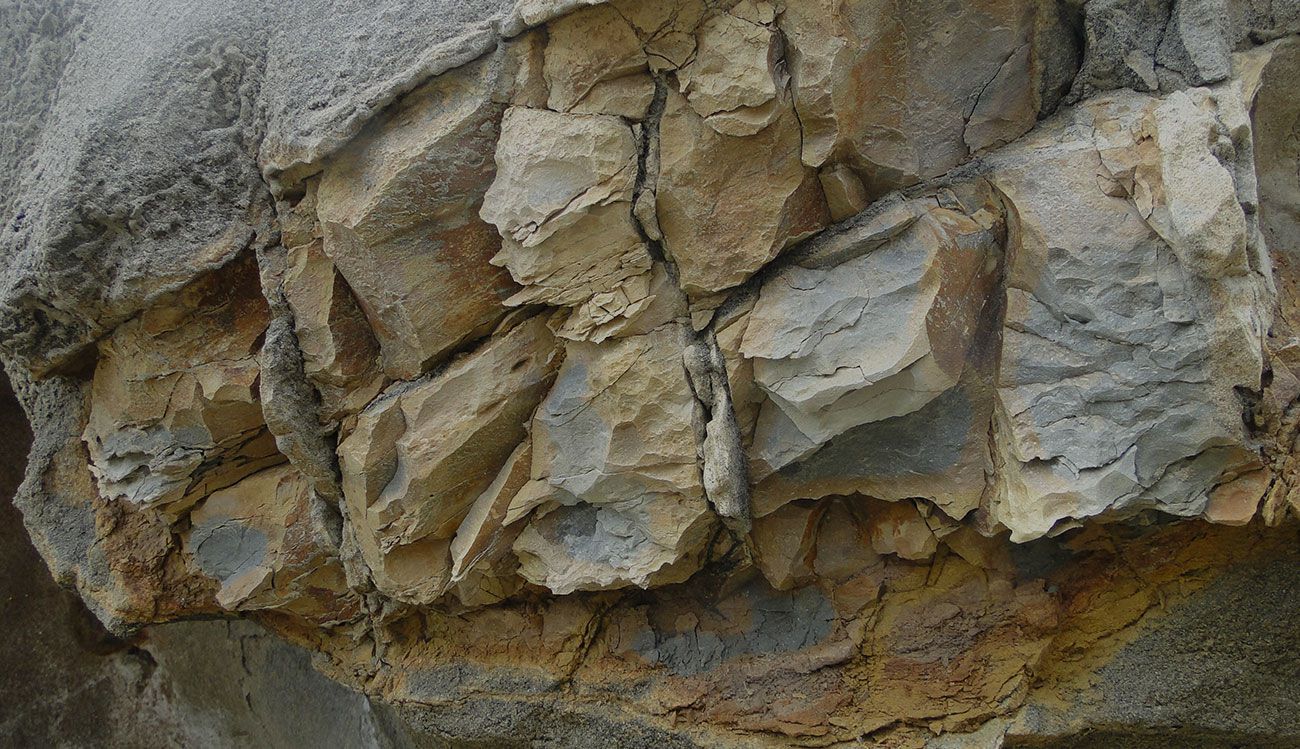
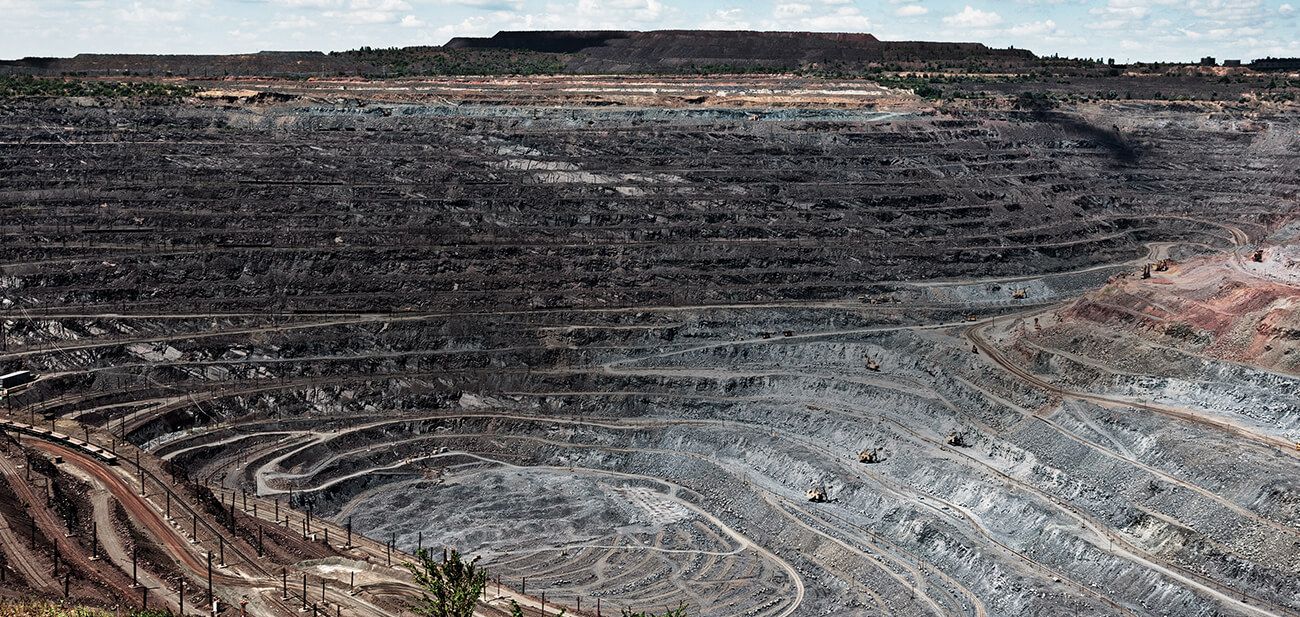
Modern mining no longer ends when extraction stops. Today, mine reclamation and closure consultants play a critical role in ensuring that disturbed landscapes are restored in ways that protect ecosystems, communities, and climate stability.
Historically, mine closure focused on regulatory compliance and hazard mitigation. While those remain essential, the global shift toward sustainability and ESG accountability has expanded expectations. Mine closure now represents a strategic opportunity to restore ecosystems, rebuild soil health, enhance biodiversity, and support carbon recovery.
Across the United States and globally, regulators, investors, and communities increasingly expect mine operators to demonstrate long-term environmental stewardship. This shift is driven by:
Sustainable mine rehabilitation is no longer reactive—it is proactive, science-based, and aligned with climate resilience. Effective closure strategies link land recovery with long-term ecosystem health, transforming formerly disturbed sites into functioning, resilient landscapes.
At G3SoilWorks, mine closure is approached as a systems challenge—integrating soil science, ecology, engineering, and carbon recovery into measurable, climate-aligned outcomes.
One of the most powerful opportunities in post-mining rehabilitation is carbon restoration. Disturbed mine lands often lose topsoil, microbial communities, and vegetation—key components of natural carbon sinks.
Strategic mine reclamation services can reverse this loss.
Healthy soils are one of the largest terrestrial carbon reservoirs. Reclamation strategies that focus on rebuilding soil structure and biological function can significantly enhance carbon storage. This includes:
Soil reconstruction is not simply a surface treatment—it requires geotechnical and ecological coordination to ensure compaction, drainage, and nutrient cycling support sustained carbon capture.
Revegetation strategies are central to carbon recovery. Native plant communities increase biomass accumulation and below-ground carbon storage while stabilizing soils.
Effective approaches include:
Innovative practices such as biochar integration can enhance soil carbon persistence. Biochar improves water retention, microbial habitat, and nutrient stability while sequestering carbon in a long-term, stable form.
By combining ecological design with engineering precision, mine closure consultants can transform degraded sites into carbon sinks that support both local ecosystems and broader climate goals.
Climate volatility—intense rainfall, drought, temperature extremes—poses growing risks to closed mine sites. Without thoughtful design, reclaimed landscapes may suffer erosion, slope instability, or water contamination.
Climate-smart reclamation strengthens long-term resilience.
Hydrology is often the most sensitive aspect of mine closure. Reclamation strategies may include:
Restored hydrological systems reduce sediment transport, mitigate flood risks, and improve groundwater recharge.
Unstable soils can undermine reclamation success. Stabilization techniques often include:
Through science-based landform engineering, closure consultants reduce long-term liabilities while improving ecosystem function.
Restored ecosystems are inherently more resilient than barren landscapes. Vegetation buffers temperature fluctuations, roots reinforce soil, and biodiverse systems recover faster from disturbance.
By integrating climate modeling into closure design, reclamation plans can anticipate:
This forward-looking approach ensures post-mining land remains stable and productive for decades.
Mining operations often fragment habitats and disrupt ecological networks. Effective reclamation must go beyond surface stabilization to restore ecosystem processes.
Restoration begins with species selection. Native plants adapted to local soils and climate conditions:
In some cases, habitat restoration may involve coordinated wildlife reintroduction or corridor development to reconnect fragmented ecosystems.
Different mine types create distinct ecological challenges:
Mine reclamation and closure consultants evaluate site-specific ecological conditions to tailor habitat restoration plans that align with regional biodiversity goals.
Long-term success depends on monitoring and adaptive management. Effective programs include:
Reclamation is not complete at planting—it requires multi-year monitoring to ensure ecosystem functions are restored and self-sustaining.
Sustainable mine closure requires interdisciplinary collaboration. Engineering precision must align with ecological science and community engagement.
Modern mine closure consultants combine:
Integrated strategies reduce regulatory risk while improving measurable environmental outcomes.
In the United States, mine closure planning is influenced by federal and state-level regulations, financial assurance requirements, and environmental compliance standards. Beyond compliance, ESG frameworks now influence closure design by requiring:
Sustainability professionals and regulators increasingly expect closure plans to demonstrate alignment with climate resilience and land restoration objectives.
Successful closure strategies consider future land use. Community-driven approaches may include:
Inclusive planning builds long-term trust and ensures restored landscapes serve both ecological and social needs.
The future of reclamation is regenerative rather than restorative. Emerging trends include:
These advancements position reclamation as a contributor to climate mitigation rather than simply a compliance obligation.
Sustainable mine closure is one of the most significant environmental challenges—and opportunities—within the mining industry today. By integrating soil science, ecological restoration, engineering design, and climate resilience planning, mine reclamation and closure consultants help transform disturbed lands into resilient ecosystems.
For environmental scientists, engineers, regulators, ESG professionals, and community stakeholders, mine rehabilitation represents a pathway toward long-term carbon recovery, biodiversity restoration, and climate adaptation.
At G3SoilWorks, closure strategies are built around measurable environmental outcomes—restoring soil function, rebuilding carbon sinks, stabilizing hydrology, and supporting biodiversity. Through science-driven mine reclamation services, collaborative planning, and innovative land management approaches, sustainable closure becomes not just an endpoint, but a new beginning for post-mining landscapes.
As regulatory expectations evolve and climate pressures intensify, partnering with experienced mine closure consultants ensures that closure plans are not only compliant—but regenerative, resilient, and future-ready.
They design and implement strategies to restore mined land after operations end. This includes soil reconstruction, water management, revegetation, regulatory compliance, carbon recovery planning, and long-term monitoring.
Ideally during early project planning. Integrating closure strategies at the design phase reduces long-term liabilities, improves regulatory compliance, and supports ESG performance from the start.
Rebuilding soil health, restoring vegetation, and incorporating organic amendments like biochar increase carbon storage in both biomass and soil, helping transform disturbed sites into functional carbon sinks.
Mine closure is guided by federal and state frameworks, including environmental protection laws, reclamation bonding requirements, and land restoration standards enforced by agencies such as state environmental departments and federal oversight bodies.
Timelines vary depending on climate, soil condition, and reclamation strategy. Initial stabilization may occur within a few years, but full ecosystem recovery and biodiversity maturity can take decades, requiring ongoing monitoring and adaptive management.
Follow, engage, learn. Stop by our blog to see what’s happening at G3SoilWorks.
G3Soilworks – a full service geotechnical/ engineering geologic consulting firm serving clients since 2009 and delivering expert solutions with our highly experienced team and specialized consultants.
G3SoilWorks
350 Fischer Avenue Costa Mesa, CA 92626
Tel. 714.668.5600
E. info@g3soilworks.com


