
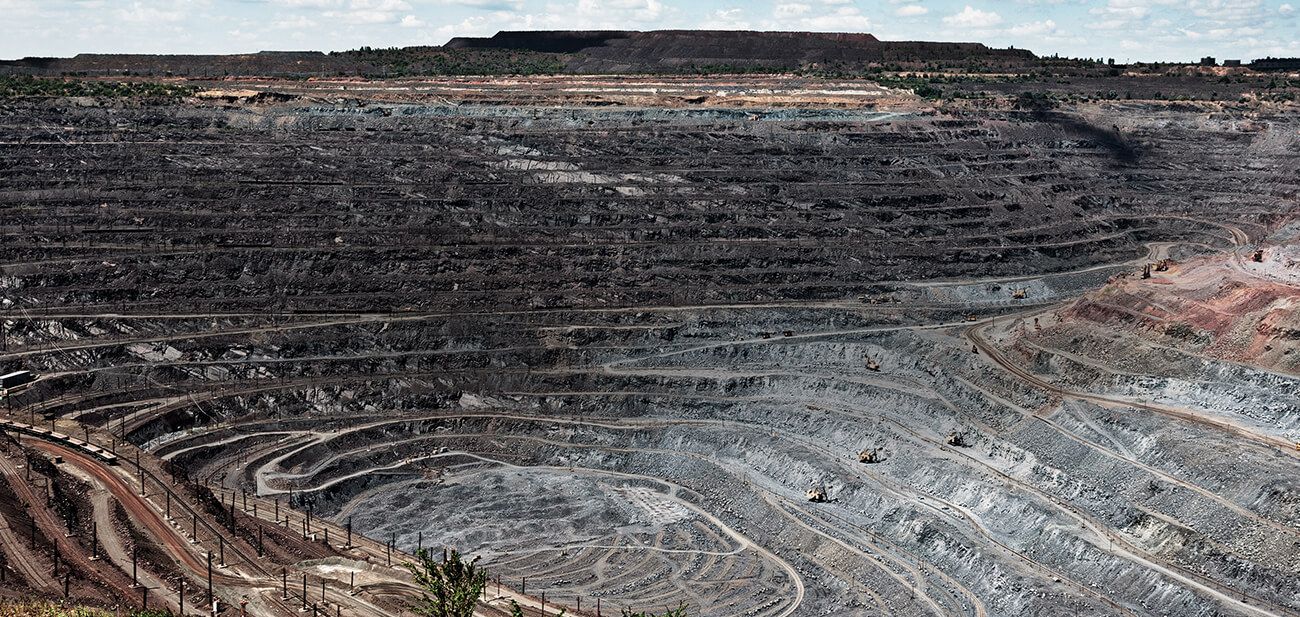
Mining, construction, infrastructure expansion, and industrial development play an essential role in economic growth, but these activities often leave behind disturbed landscapes that require long-term environmental management. Excavation, grading, waste disposal, erosion, vegetation loss, and contamination can significantly alter the stability and ecological balance of the land. Without proper restoration planning, disturbed sites may create ongoing environmental risks, slope instability, drainage problems, and habitat degradation.
This is where reclamation consulting becomes a critical part of sustainable land development. Land restoration strategies help transform impacted areas into stable, functional, and environmentally responsible spaces that can safely support future use. Effective restoration not only improves environmental conditions but also helps organizations meet regulatory requirements, reduce long-term liabilities, and protect surrounding communities and ecosystems.
At G3SoilWorks, our team understands the complexity of restoring disturbed land across challenging terrains throughout Southern California and the western United States. G3SoilWorks has some of the most experienced geologic engineers in Southern California, with principals bringing over 100 years of combined experience in geotechnical, environmental, and engineering geologic consulting. Our expertise includes slope stability analysis, environmental restoration, monitoring, and reclamation planning for infrastructure, mining, and development projects.
One of the most effective frameworks for sustainable restoration is the “Three R’s” approach: Rehab, Reclaim, and Remediate. Together, these strategies help restore land functionality, improve environmental quality, and ensure long-term site stability.
Rehabilitation is the first step in restoring disturbed land and focuses on stabilizing a site so it can safely support future environmental or structural use. In many cases, rehabilitation addresses physical land conditions immediately following mining, grading, or construction activities.
The primary goal of rehabilitation is not necessarily to return the land to its original state, but rather to restore basic functionality and reduce environmental hazards. This may include improving slope stability, controlling erosion, reshaping terrain, and establishing vegetation to prevent further degradation.
For mining and infrastructure sites, rehabilitation often involves:
Revegetation is especially important during rehabilitation because vegetation helps stabilize soil, reduce surface erosion, improve water infiltration, and support ecosystem recovery. Native plants are commonly used because they are better adapted to regional climates and require less long-term maintenance.
In areas with steep terrain or unstable geology, geotechnical rehabilitation may also involve instrumentation and monitoring programs to evaluate long-term slope performance. Monitoring settlement, surface movement, and drainage conditions allows engineers to identify risks early and implement corrective measures before larger failures occur.
For organizations involved in mining operations, rehabilitation is often closely connected to broader mine reclamation services and environmental compliance programs. Early rehabilitation planning can significantly reduce long-term restoration costs and improve project sustainability.
While rehabilitation focuses on restoring stability and safety, reclamation goes further by returning disturbed land to productive, environmentally beneficial, or economically valuable use.
Reclamation is one of the most important aspects of sustainable land management because it helps transform impacted areas into usable landscapes that support communities, ecosystems, and future development goals. In many cases, reclamation aims to restore ecological function while also meeting regulatory closure requirements.
Typical reclamation activities include:
Successful reclamation projects require careful coordination between environmental scientists, geotechnical engineers, hydrologists, and regulatory agencies. Soil quality, drainage behavior, slope stability, and vegetation performance must all work together to create a sustainable post-disturbance environment.
In mining environments, reclamation planning is especially important. Mine reclamation and closure consultants play a key role in helping operators restore land after extraction activities while meeting environmental obligations and reducing future liabilities. Comprehensive mine closure planning often includes:
Reclaimed land can often be repurposed for:
Modern reclamation strategies increasingly emphasize sustainability and long-term ecosystem resilience. Instead of simply covering disturbed areas, today’s reclamation efforts focus on restoring environmental function and creating landscapes capable of supporting future generations.
For regions with complex geologic conditions, reclamation consulting must also account for slope movement, seismic conditions, hydrologic impacts, and long-term erosion patterns. This integrated approach helps ensure restored land remains stable and environmentally functional over time.
Remediation focuses on identifying, managing, and eliminating contamination that may pose risks to human health, groundwater, ecosystems, or future land use. While rehabilitation and reclamation address physical restoration, remediation specifically targets environmental pollutants and hazardous materials.
Industrial operations, mining activities, fuel storage, waste disposal, and chemical use can leave behind contaminants that require specialized environmental treatment before land can safely support future use.
Common contaminants include:
The remediation process typically begins with environmental site assessments and geologic investigations to determine the extent and severity of contamination. Engineers and environmental consultants then develop site-specific remediation plans based on regulatory requirements and long-term land use objectives.
Common remediation techniques include:
Mining sites often require extensive remediation planning due to the potential for acid-generating materials, groundwater contamination, and long-term environmental impacts. This is why many organizations rely on experienced mine closure consultants to help develop integrated restoration and environmental management strategies.
Environmental regulations at the federal, state, and local levels require landowners and operators to demonstrate that remediation activities effectively reduce environmental risks and meet safety standards. Ongoing monitoring programs are frequently necessary to confirm the long-term success of remediation efforts.
At G3SoilWorks, environmental and geotechnical considerations are evaluated together because contamination issues often intersect with slope stability, drainage conditions, and long-term land performance. Integrated restoration planning improves both environmental protection and project efficiency.
Although rehabilitation, reclamation, and remediation each serve different purposes, they are most effective when integrated into a comprehensive land restoration strategy. Sustainable land management depends on balancing environmental protection, engineering stability, regulatory compliance, and long-term usability.
The Three R’s work together in the following ways:
Together, these approaches provide significant benefits, including:
Integrated restoration planning is particularly important in mining, infrastructure, and hillside development projects where geologic conditions and environmental risks are closely connected. Long-term monitoring programs help ensure restoration systems continue functioning properly after project completion.
Modern reclamation consulting also increasingly incorporates:
These technologies provide valuable data for evaluating restoration success and improving long-term land management decisions.
At G3SoilWorks, our multidisciplinary team combines geotechnical engineering, engineering geology, environmental consulting, and field monitoring expertise to support sustainable restoration solutions across the western United States. From infrastructure corridors to complex mining environments, our experience allows us to deliver technically sound strategies that prioritize safety, environmental stewardship, and regulatory compliance.
As environmental standards continue evolving, the importance of strategic restoration planning will only increase. Through thoughtful integration of rehabilitation, reclamation, and remediation, organizations can reduce environmental impacts, improve project sustainability, and create safer, more resilient landscapes for future generations.
Ultimately, successful reclamation consulting is about more than restoring disturbed land—it is about protecting communities, preserving ecosystems, and ensuring long-term environmental stability through science-based engineering solutions.
Climate conditions influence erosion rates, vegetation survival, stormwater runoff, and long-term slope stability. Reclamation plans must account for regional rainfall, drought patterns, temperature variations, and wildfire risks to ensure sustainable restoration outcomes.
Steep terrain can create slope instability, drainage complications, erosion risks, and difficult construction access. Geotechnical analysis and long-term monitoring are often necessary to safely restore mountainous or hillside environments.
Yes. Many reclaimed sites are repurposed for renewable energy projects such as solar farms or wind energy facilities. Proper grading, soil stabilization, and environmental planning help prepare disturbed land for future energy infrastructure.
Poor drainage can lead to erosion, sediment transport, slope failures, and vegetation loss. Effective drainage design helps control stormwater, protect soil stability, and improve long-term reclamation performance.
Environmental regulations establish standards for land restoration, water quality protection, slope stability, habitat preservation, and post-project monitoring. Compliance helps reduce environmental liabilities and ensures projects meet long-term sustainability goals.
Follow, engage, learn. Stop by our blog to see what’s happening at G3SoilWorks.
G3Soilworks – a full service geotechnical/ engineering geologic consulting firm serving clients since 2009 and delivering expert solutions with our highly experienced team and specialized consultants.
G3SoilWorks
350 Fischer Avenue Costa Mesa, CA 92626
Tel. 714.668.5600
E. info@g3soilworks.com


