
Modern construction projects often involve activities that generate ground vibrations capable of affecting nearby structures, utilities, and sensitive infrastructure. Whether caused by pile driving, blasting, excavation, demolition, compaction, or heavy equipment operations, these vibrations can create concerns for property owners, project stakeholders, and regulatory agencies. This is where construction vibration monitoring becomes an essential component of responsible project management.
At G3SoilWorks, we understand that successful construction projects require more than meeting schedules and budgets—they require proactive risk management and engineering expertise. With some of the most experienced geologic engineers in Southern California and principals who collectively possess more than 100 years of experience in geotechnical, environmental, and engineering geologic consulting throughout the Southwest and Western United States, our team helps clients evaluate and mitigate vibration-related risks before they become costly problems.
Construction vibrations occur when energy generated by construction activities travels through the ground and interacts with nearby structures. While some vibrations are harmless, excessive vibration levels can contribute to cosmetic cracking, settlement concerns, equipment disruptions, and disputes among project stakeholders. Effective construction vibration monitoring services provide valuable data that helps engineers assess vibration impacts, verify compliance, and protect surrounding assets.
By utilizing advanced construction vibration monitoring equipment, project teams can collect real-time information, establish threshold limits, and respond quickly when vibration levels approach predefined criteria. These monitoring programs have become increasingly important in urban developments, transportation projects, utility installations, tunneling operations, and demolition activities where nearby structures may be vulnerable to vibration impacts.
Construction activities frequently occur in environments where existing buildings, retaining walls, utilities, roadways, and other infrastructure are located close to active work zones. Without proper monitoring, project teams may not recognize when vibration levels exceed acceptable thresholds.
Ground vibrations propagate differently depending on soil conditions, rock characteristics, groundwater conditions, and the nature of the construction activity. Even when no immediate damage is visible, repeated exposure to elevated vibration levels may increase concerns among property owners and stakeholders.
Building vibration monitoring provides objective data that helps engineers understand how nearby structures are responding to construction activities. This information is particularly valuable when working near:
Monitoring allows project teams to identify elevated vibration conditions before they become significant concerns.
One of the most common concerns associated with construction vibrations is the potential for cosmetic cracking or settlement-related impacts. While many visible cracks are often pre-existing or unrelated to construction activities, monitoring data helps establish factual documentation regarding vibration levels experienced at a site.
Professional vibration measurement services provide critical information that can help determine whether vibration levels remained within accepted engineering guidelines throughout construction operations.
Many construction projects must comply with local, state, and federal requirements related to vibration impacts. Regulatory agencies may require monitoring programs to demonstrate compliance with project permits, environmental conditions, or construction specifications.
Comprehensive vibration monitoring services provide documented records that support compliance efforts while helping contractors and project owners manage potential risks associated with nearby structures.
Effective monitoring programs combine specialized instrumentation, engineering expertise, and real-time analysis to evaluate vibration conditions throughout a project lifecycle.
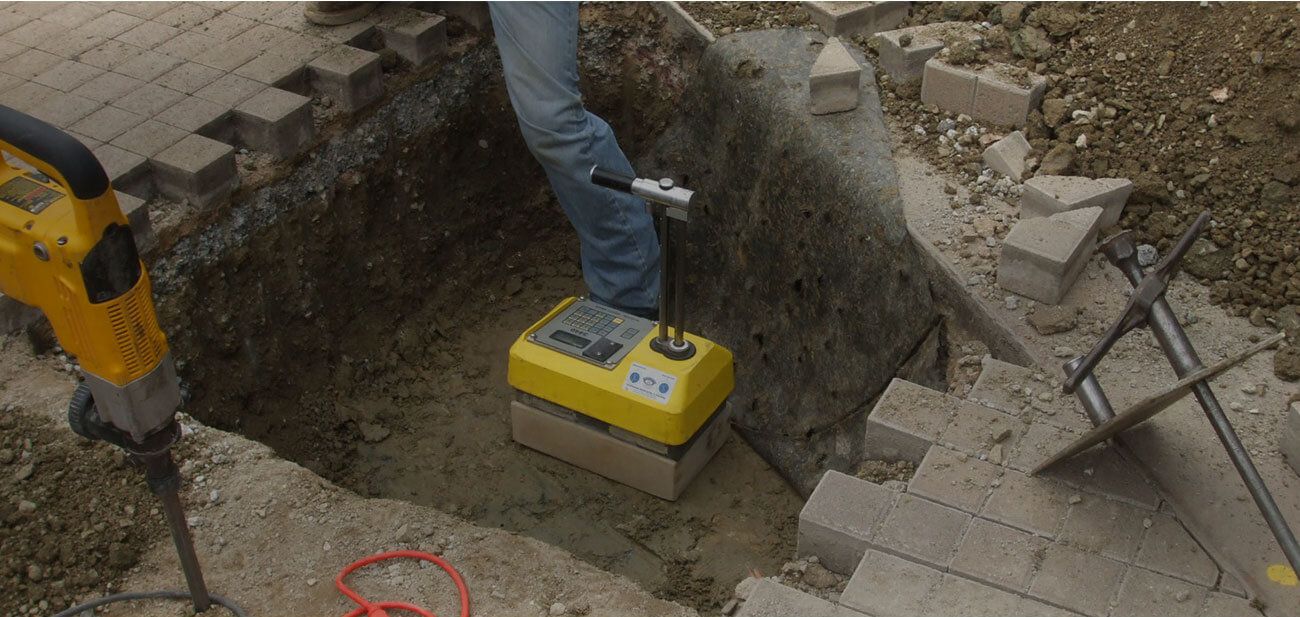
Modern construction vibration monitoring equipment includes a variety of technologies designed to capture vibration data accurately and continuously.
Common equipment includes:
Seismographs are among the most widely used instruments for measuring construction-generated vibrations. These systems record ground movement and provide detailed information regarding vibration intensity and frequency.
Geophones detect ground motion and convert movement into measurable electrical signals. These sensors are strategically placed near structures or sensitive areas to monitor vibration transmission.
Data loggers collect and store monitoring information, allowing engineers to analyze trends over time and maintain comprehensive project records.
Many modern monitoring programs utilize wireless communication technology that allows data to be transmitted to cloud-based platforms for real-time review.
One of the most valuable features of modern monitoring systems is their ability to provide real-time information. Continuous monitoring allows engineers and project managers to observe vibration levels as construction activities occur.
Real-time systems can:
By reviewing monitoring data throughout construction, project teams can make informed operational adjustments when necessary.
An important component of any monitoring program involves establishing vibration thresholds appropriate for the site conditions and nearby structures.
Thresholds may be based on:
Automated alert systems can notify project personnel when vibration levels approach predetermined limits. These notifications allow teams to investigate conditions and implement corrective measures before problems develop.
Construction delays can significantly increase project costs and disrupt schedules. Monitoring programs help reduce uncertainty and improve project control.
One of the greatest advantages of professional monitoring is the ability to identify elevated vibration levels before they affect nearby structures or trigger stakeholder concerns.
When unusual vibration patterns are detected, project teams can:
Early intervention often prevents minor concerns from escalating into major project challenges.
Construction projects located near occupied buildings frequently generate questions from neighboring property owners regarding vibration impacts.
Documented monitoring data provides objective evidence that can help address concerns and resolve disputes. In many cases, monitoring records demonstrate that vibration levels remained within accepted limits throughout project activities.
This documentation can be valuable for:
Unexpected claims, investigations, or regulatory concerns can delay construction progress and increase costs.
Professional construction vibration monitoring services help maintain project momentum by providing continuous oversight and documented performance records. When vibration concerns arise, engineers can quickly review monitoring data and make informed decisions that support efficient project execution.
Construction interruptions often result from uncertainty rather than actual problems. Reliable monitoring data reduces uncertainty by providing accurate information regarding site conditions and vibration performance.
This proactive approach helps project teams minimize unnecessary work stoppages and maintain productivity.
Implementing a successful monitoring program requires thoughtful planning and engineering expertise.
Monitoring is often recommended when construction activities occur near:
Pre-construction planning allows engineers to establish baseline conditions and develop monitoring strategies tailored to project-specific risks.
Urban environments often present the highest need for monitoring due to the density of nearby structures and infrastructure.
Monitoring helps manage risks associated with:
Tunneling activities can generate complex ground movements and vibration conditions. Continuous monitoring helps engineers evaluate impacts on adjacent structures and transportation systems.
Demolition operations frequently generate significant vibration levels. Monitoring programs provide real-time information that supports safe demolition practices while protecting nearby assets.
Roadway, bridge, rail, and utility projects often require vibration monitoring to protect surrounding infrastructure and maintain regulatory compliance.
No two construction projects are identical. Effective monitoring programs should consider:
Working with experienced geotechnical and engineering geology professionals ensures monitoring programs are designed to address site-specific risks rather than relying on generic solutions.
While monitoring equipment provides valuable measurements, interpreting vibration data requires an understanding of subsurface conditions, structural response, and engineering principles.
Geotechnical engineers and engineering geologists evaluate how soil types, rock formations, groundwater conditions, and slope characteristics influence vibration transmission. This expertise helps project teams understand not only what vibration levels occurred, but also what those measurements mean for structural performance and project risk.
At G3SoilWorks, our multidisciplinary team combines monitoring technology with extensive geotechnical and geologic expertise to deliver practical solutions for complex construction environments.
As construction projects become increasingly complex and are often performed near existing infrastructure, construction vibration monitoring has become a critical component of modern risk management. By utilizing advanced equipment and professional services and programs, project teams can protect nearby structures, support regulatory compliance, reduce liability, and keep projects moving forward.
At G3SoilWorks, we leverage more than a century of combined geotechnical, environmental, and engineering geologic experience to help clients implement effective construction vibration monitoring services tailored to their unique project requirements. Through proactive monitoring, engineering expertise, and data-driven decision-making, construction projects can proceed with greater confidence, improved safety, and reduced risk.
Vibration monitoring provides transparent, data-driven information that can be shared with nearby residents, businesses, and stakeholders. Demonstrating that vibration levels are being actively monitored often helps build trust and reduce concerns during construction activities.
Yes. Vibration data can be incorporated alongside settlement monitoring, noise monitoring, dust monitoring, and structural instrumentation programs to provide a more comprehensive understanding of site performance and construction impacts.
Project duration, monitoring locations, equipment requirements, reporting frequency, site accessibility, and the complexity of nearby structures all influence the overall cost of a vibration monitoring program.
Environmental conditions such as heavy rainfall, groundwater fluctuations, wind, and temperature changes can influence ground conditions and sensor performance. Experienced monitoring professionals account for these factors when evaluating data trends.
Vibration monitoring is frequently used in mining, transportation, energy, manufacturing, utility infrastructure, and environmental remediation projects where ground movement or equipment-generated vibrations may affect nearby assets or operations.
Follow, engage, learn. Stop by our blog to see what’s happening at G3SoilWorks.
G3Soilworks – a full service geotechnical/ engineering geologic consulting firm serving clients since 2009 and delivering expert solutions with our highly experienced team and specialized consultants.
G3SoilWorks
350 Fischer Avenue Costa Mesa, CA 92626
Tel. 714.668.5600
E. info@g3soilworks.com


