
Before any structure is designed or built, one critical step determines whether the project will succeed or fail: the Geotechnical Site Investigation. At G3SoilWorks, our experienced geologic engineers understand that the performance of any building, roadway, or infrastructure project depends on what lies beneath the surface.
A properly executed geotechnical site investigation provides the technical foundation for safe, cost-effective design. It evaluates subsurface soil, rock, and groundwater conditions so engineers can make informed decisions about foundations, grading, earthwork, and long-term stability.
For projects throughout Southern California and the western United States, this process is not optional — it is essential.
A Geotechnical Site Investigation is a systematic process of evaluating subsurface conditions at a proposed construction site. It determines:
The goal is to reduce uncertainty. Subsurface conditions cannot be seen directly, so they must be studied using borings, sampling, in-situ testing, laboratory analysis, and professional interpretation.
Without this data, foundation design becomes guesswork — and guesswork leads to structural distress, costly change orders, or even failure.
Every structure transfers loads to the ground. If the soil cannot adequately support those loads, problems such as settlement, cracking, tilting, or collapse may occur. A geotechnical investigation ensures the foundation system is matched to site conditions.
Unforeseen subsurface conditions are one of the leading causes of construction disputes and cost overruns. Identifying weak soils, groundwater issues, or expansive clays early protects owners, contractors, and design teams.
Different soils require different foundation solutions:
A thorough evaluation ensures the most cost-effective and technically appropriate solution is selected.
In California and throughout the western United States, geotechnical engineering geology considerations are critical due to seismic activity, liquefaction potential, and fault hazards. A professional investigation ensures compliance with local building codes and jurisdictional requirements.
Understanding groundwater conditions and soil behavior allows engineers to design drainage systems, retaining structures, and mitigation measures that protect structures over decades of service life.
While every project is unique, most geotechnical services follow a structured process.
The investigation begins with research, including:
This step provides context and identifies potential concerns before fieldwork begins.
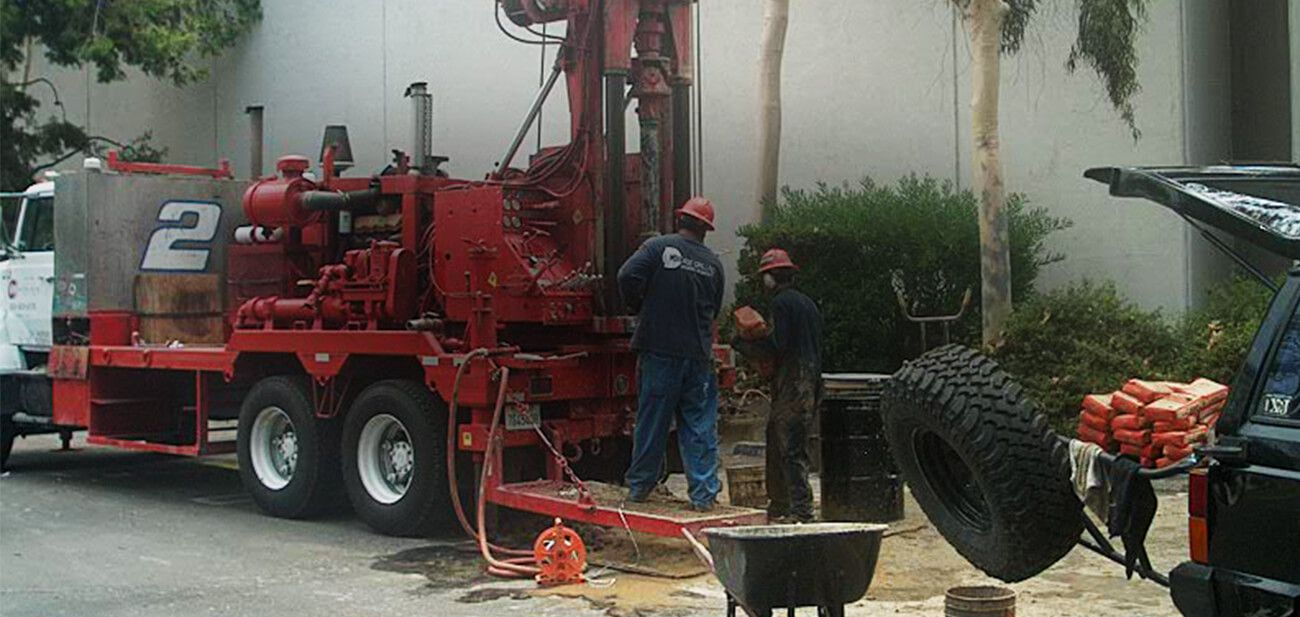
Field exploration is the core of any geotechnical site investigation. It typically includes:
Borings allow engineers to observe subsurface conditions at various depths. Samples are collected for laboratory testing and visual classification.
Used for shallow investigations and direct observation of soil structure.
Common field tests include:
These tests help determine strength, density, and compressibility characteristics.
Collected samples are analyzed to determine:
Laboratory data transforms field observations into measurable engineering parameters.
Groundwater significantly affects foundation performance, slope stability, and excavation safety. Groundwater monitoring solutions may include:
Reliable groundwater monitoring services help predict uplift pressures, drainage needs, and hydrostatic forces that may impact the structure.
The final deliverable of a geotechnical site investigation is a comprehensive engineering report. This document includes:
The report becomes a critical design document used by structural engineers, architects, and contractors.
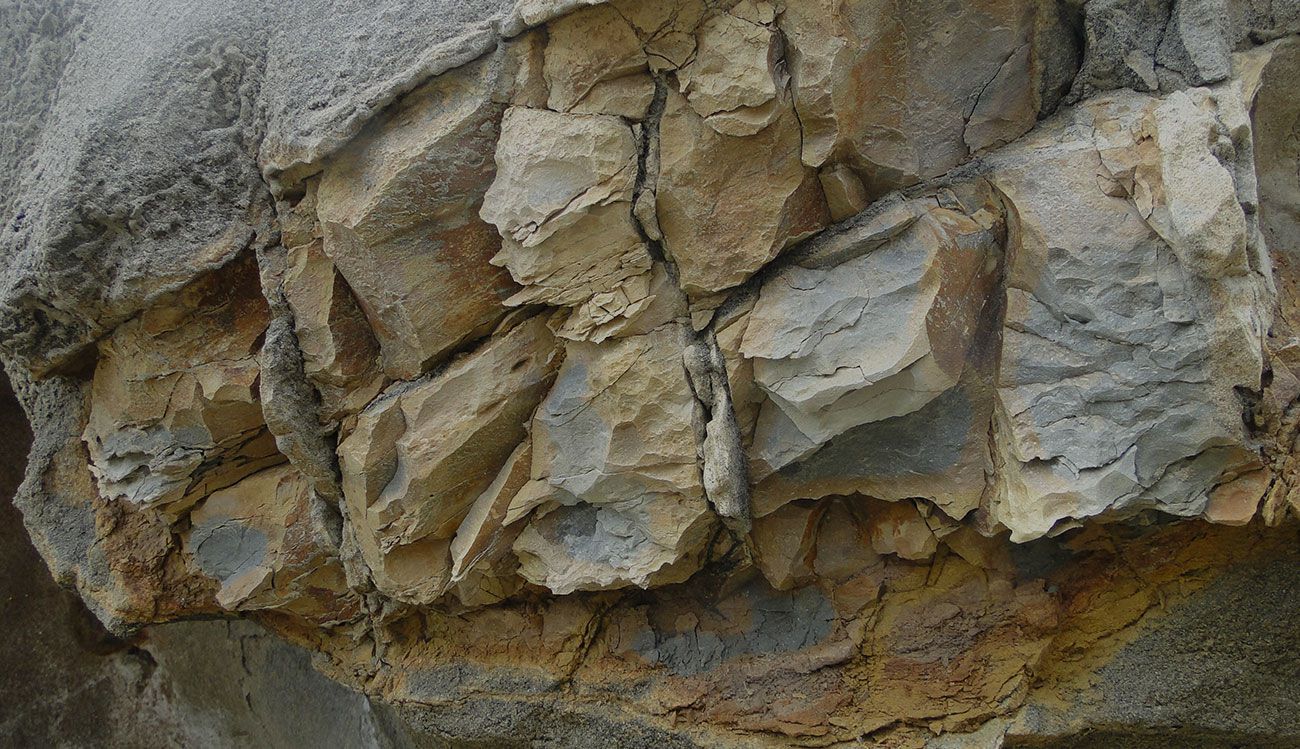
A professional investigation often uncovers conditions such as:
Common in Southern California, expansive clays shrink and swell with moisture changes, potentially damaging foundations.
In seismic regions, loose saturated soils may lose strength during earthquakes.
Loose fill or compressible soils may lead to uneven settlement.
Elevated groundwater can affect excavation, retaining walls, and slab design.
Hillside developments require detailed geotechnical engineering geology evaluations to ensure long-term slope stability.
Addressing these risks early significantly reduces construction delays and repair costs.
Geotechnical services apply to a wide range of projects, including:
Each project requires tailored geotech engineering services based on structure type, loading conditions, and site characteristics.
Geotechnical engineering geology bridges geology and engineering design. It focuses on:
In regions like California, engineering geologic insight is critical due to active tectonics and complex soil conditions. Experienced geologic engineers can interpret subsurface data within the broader geologic framework of the region.
Some developers question whether a full geotechnical investigation is necessary. However, the cost of an investigation is typically a small fraction of total construction cost.
Failing to perform adequate geotechnical services can lead to:
Investing in professional investigation upfront protects the overall project budget.
A geotechnical site investigation is not just about drilling holes and running lab tests. It requires expert interpretation.
At G3SoilWorks, our principals are veterans with over 100 years of combined experience in geotechnical, environmental, and engineering geologic consulting throughout the Southwest and western United States. Our team understands regional soil behavior, seismic hazards, groundwater conditions, and construction challenges unique to Southern California.
This depth of expertise ensures our recommendations are practical, cost-effective, and defensible.
Ideally, the investigation should be performed:
The earlier the data is available, the better the project outcomes.
A Geotechnical Site Investigation is the foundation of every successful construction project. It:
Professional geotechnical engineering services provide clarity in uncertain ground conditions. From groundwater monitoring services to advanced engineering geology assessments, the right expertise transforms unknown subsurface conditions into actionable design solutions.
If you are planning construction in Southern California or the western United States, partnering with experienced geotechnical professionals is critical. G3SoilWorks provides comprehensive geotechnical services, including detailed geotechnical site investigation, geotechnical engineering geology evaluations, and advanced groundwater monitoring solutions.
Our experienced geologic engineers bring over a century of combined consulting experience to every project. We help you minimize risk, maximize performance, and move forward with confidence.
Contact G3SoilWorks today to ensure your project begins with the strongest possible foundation.
Depth depends on the structure type and loading conditions. Residential projects may require borings 15–30 feet deep, while commercial or infrastructure projects may require significantly deeper exploration to evaluate settlement and bearing capacity.
Most small to mid-size projects take 1–3 weeks, including fieldwork, laboratory testing, engineering analysis, and final reporting. Larger or complex hillside and seismic sites may take longer.
In many jurisdictions, yes — especially in seismic zones, hillside developments, or areas with known geologic hazards. Local agencies often require stamped reports prepared by licensed professionals.
Geotechnical engineering focuses on soil mechanics and foundation design, while engineering geology evaluates geologic hazards, faulting, landslides, and regional geologic conditions. Many projects require both disciplines working together.
Yes. Seasonal fluctuations, nearby development, irrigation, or drainage changes can alter groundwater levels. That’s why long-term groundwater monitoring solutions may be recommended for certain sites.
Follow, engage, learn. Stop by our blog to see what’s happening at G3SoilWorks.
G3Soilworks – a full service geotechnical/ engineering geologic consulting firm serving clients since 2009 and delivering expert solutions with our highly experienced team and specialized consultants.
G3SoilWorks
350 Fischer Avenue Costa Mesa, CA 92626
Tel. 714.668.5600
E. info@g3soilworks.com


