And Why Groundwater Monitoring and Remediation Are Critical Before You Build
Groundwater plays a decisive role in the success or failure of engineering and construction projects. Beneath the surface, water moves through fractures in rock and pore spaces in soil, often invisibly influencing soil strength, slope stability, excavation safety, and long-term foundation performance.
Without proper groundwater monitoring and remediation, projects can experience cost overruns, structural damage, construction delays, and long-term liability. At G3SoilWorks, our experienced geologic engineers have spent decades helping developers, municipalities, and private clients throughout Southern California and the western United States manage groundwater risks before they become costly problems.
This guide explains how groundwater affects engineering construction, how it is evaluated, and what professional groundwater monitoring services involve.
What Is Groundwater in Construction and Why Does It Matter?
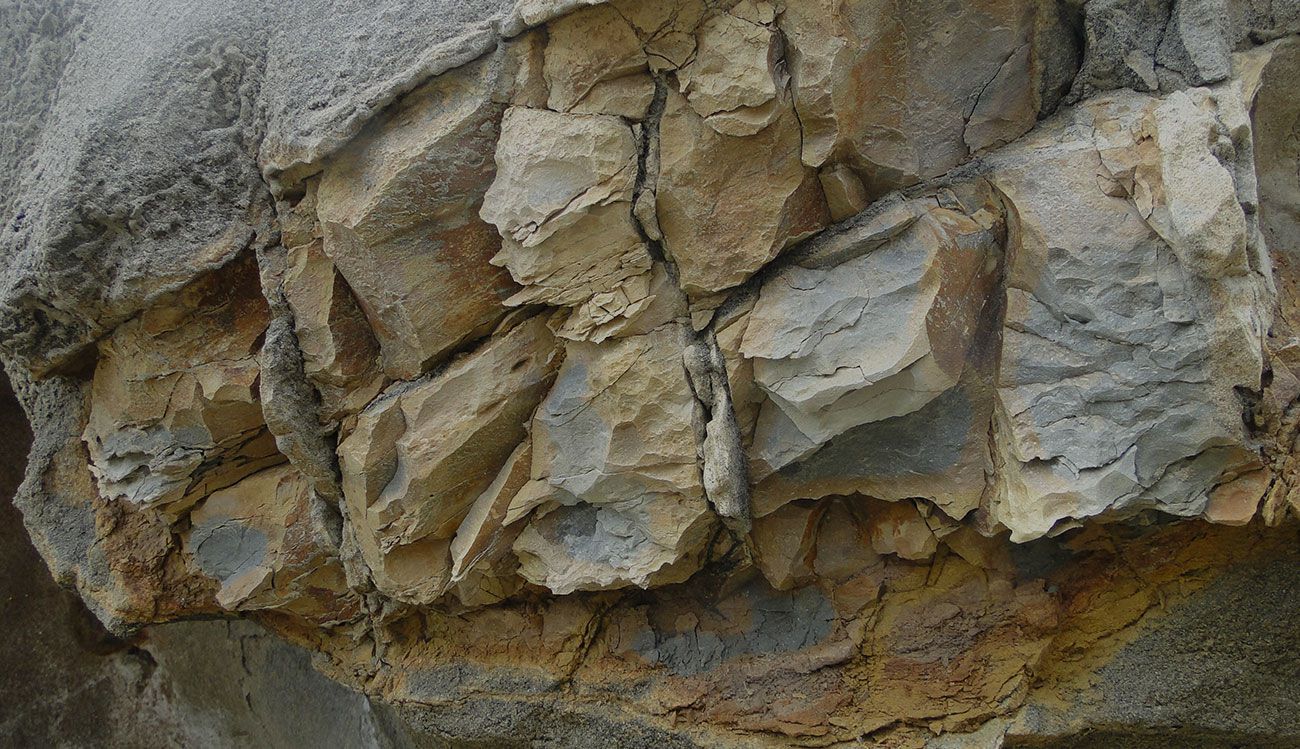
Groundwater is water stored within soil and rock formations known as aquifers. It occupies pore spaces in sand and gravel and fractures in rock. The upper surface of this water body is called the water table, and it fluctuates seasonally, during storms, or due to nearby construction and pumping activities.
In construction, groundwater directly affects:
- Foundation bearing capacity
When soil becomes saturated, its load-bearing ability decreases because water reduces effective stress between soil particles. If not properly evaluated, this can result in settlement or long-term structural movement.
- Slope stability
Elevated groundwater levels increase pore water pressure within slopes, reducing shear strength. This condition can contribute to slope creep, shallow failures, or full-scale landslides in hillside developments.
- Excavation safety
Excavations below the groundwater table are vulnerable to wall instability and base heave. Without proper control measures, workers and adjacent structures may face safety risks.
- Subgrade performance
Pavement systems and slab-on-grade foundations depend on stable subgrade conditions. Saturated soils can pump, rut, or lose stiffness under load, leading to premature surface distress.
- Long-term settlement behavior
Fluctuating groundwater levels can cause consolidation in fine-grained soils over time. This delayed settlement may not appear until years after construction is complete.
How Groundwater Impacts Construction Projects
1. Reduced Soil Strength and Bearing Capacity
When soil below a footing becomes saturated, cohesion and frictional resistance can decrease. This is particularly problematic in:
- Loose sands
Saturated loose sands are susceptible to strength loss and, in extreme cases, liquefaction during seismic events—an important concern in California.
- Silty soils
Silts can lose strength quickly when wet and may transition from stable to unstable conditions with relatively small moisture increases.
- Fill materials
Improperly compacted or undocumented fill may become unstable when saturated, leading to unpredictable settlement.
- Weakly cemented soils
Soils held together by light cementation can lose bonding when exposed to prolonged moisture, reducing overall structural integrity.
Reduced bearing capacity may result in:
- Differential settlement
Uneven settling between structural elements can cause cracking in walls, slabs, and structural frames.
- Foundation cracking
Excess stress from soil movement may manifest as visible structural damage that worsens over time.
- Structural tilting
Localized bearing failure can lead to measurable lean in columns or walls, requiring costly remediation.
- Long-term performance issues
Even minor early movement can evolve into chronic maintenance problems if groundwater conditions are not stabilized.
2. Unstable Excavations and Water Seepage
During construction, excavations below the groundwater table may experience:
- Seepage through trench walls
Water infiltration softens excavation faces, increasing the risk of collapse or excessive sloughing.
- Base heave
Upward water pressure beneath excavation bottoms can cause soil displacement and instability.
- Sidewall sloughing
Saturated soils may lose cohesion and gradually cave into the excavation area.
- Boiling or piping conditions
Excess upward seepage forces can transport soil particles, undermining the excavation base.
These risks increase labor costs, slow construction timelines, and often require engineered dewatering systems to maintain safe working conditions.
3. Slope Instability
A rise in groundwater level increases pore water pressure, which reduces slope stability. In hillside developments common throughout Southern California, unmanaged groundwater can contribute to:
- Landslides
Elevated pore pressures reduce soil strength along slip surfaces, triggering slope failure.
- Slope creep
Gradual downslope soil movement may occur over time, impacting foundations and utilities.
- Retaining wall distress
Increased hydrostatic pressure behind walls can lead to cracking, rotation, or structural overload.
- Erosion and scour
Concentrated groundwater flow can remove soil support, destabilizing slope faces.
Groundwater level monitoring is essential for proper slope design and long-term performance.
4. Flooding and Post-Flood Soil Weakening
After flooding events, soils may remain saturated long after surface water disappears. Prolonged saturation:
- Weakens soil structure
Water reduces interparticle bonding and increases compressibility in fine-grained soils.
- Causes erosion and scour
Flowing water can remove critical support from foundations or slope toes.
- Damages foundations
Repeated wetting cycles accelerate deterioration of concrete and reinforcement systems.
- Increases hydrostatic pressure on walls
Trapped groundwater exerts outward force on basement and retaining walls.
Hydrostatic pressure can lead to:
- Basement leaks
Water intrusion through cracks or joints can create chronic moisture problems.
- Cracked walls
Lateral pressure may exceed wall capacity, leading to visible structural damage.
- Flaking paint
Moisture migration through walls degrades interior finishes.
- Mold growth
Persistent dampness creates unhealthy indoor environments.
- Water-saturated interior finishes
Flooring, drywall, and insulation may deteriorate under sustained moisture exposure.
Common Groundwater Issues Engineers Encounter
During construction, engineers may face:
- Unstable subgrades
Wet soils may fail under construction equipment loads, requiring stabilization measures.
- Seepage into utility trenches
Water accumulation complicates pipe installation and bedding placement.
- Artesian pressure conditions
Confined aquifers can create upward pressure, challenging excavation control.
- Perched groundwater
Localized water pockets above the main water table can surprise contractors.
- Seasonal water table fluctuations
Water levels may vary significantly between dry and wet seasons.
After construction, problems can include:
- Uneven floors
Differential settlement becomes visible in interior finishes.
- Cracked slabs
Soil movement transfers stress into floor systems.
- Foundation movement
Expansive or saturated soils shift beneath structural loads.
- Wet basements
Poor drainage or rising groundwater intrudes into below-grade spaces.
- Persistent moisture intrusion
Long-term groundwater exposure degrades building materials.
Why Work With Experienced Groundwater Consultants?
Groundwater Consultants at G3SoilWorks provides:
- Comprehensive groundwater monitoring solutions
We design monitoring programs tailored to site geology and project risk level.
- Detailed subsurface investigation
Our borings and instrumentation provide accurate data for design decisions.
- Expert groundwater level monitoring
Long-term data collection helps anticipate seasonal or storm-related changes.
- Practical remediation strategies
We recommend cost-effective, constructible solutions aligned with project goals.
- Clear reporting for developers and agencies
Our documentation supports permitting, regulatory review, and construction planning.
Groundwater conditions should never be assumed. With proper groundwater monitoring and remediation, projects can move forward confidently and safely.
At G3SoilWorks, we combine regional expertise, technical precision, and decades of engineering experience to deliver dependable groundwater monitoring services throughout Southern California and the western United States.
FAQs
1. Why is groundwater monitoring important before construction?
Groundwater monitoring identifies seasonal water table fluctuations, perched water zones, and pressure conditions that can affect foundation stability, excavation safety, and long-term structural performance. Early monitoring reduces costly surprises during construction.
2. What is the difference between groundwater monitoring and remediation?
Groundwater monitoring involves measuring water levels and quality over time. Remediation refers to corrective actions—such as dewatering, drainage systems, or stabilization—used to control or mitigate groundwater-related risks.
3. How do engineers measure groundwater levels?
Engineers use monitoring wells, piezometers, pressure transducers, and data loggers to track groundwater level changes. These tools help assess how groundwater conditions may impact structural design.
4. Can groundwater cause foundation damage?
Yes. Elevated groundwater reduces soil strength and increases hydrostatic pressure, which can lead to settlement, cracking, tilting, and long-term structural distress if not properly managed.
5. When should groundwater monitoring services be performed?
Groundwater monitoring should begin during the site investigation phase—before design is finalized and before excavation begins—to ensure accurate foundation and drainage planning.