
Every successful construction project begins below the surface. Before concrete is poured or steel is erected, soil testing determines whether the ground can safely support the structure above it. Without proper analysis, even well-designed buildings can suffer from settlement, cracking, or structural failure.
At G3SoilWorks, our team includes some of the most experienced geologic engineers in Southern California. Our principals are veterans with over 100 years of combined experience in geotechnical, environmental, and engineering geologic consulting throughout the Southwest and Western United States. Through comprehensive soil testing services, we provide developers, contractors, and property owners with the data they need to build with confidence.
Soil testing is the process of collecting and analyzing soil samples to determine their physical and chemical properties. This includes evaluating:
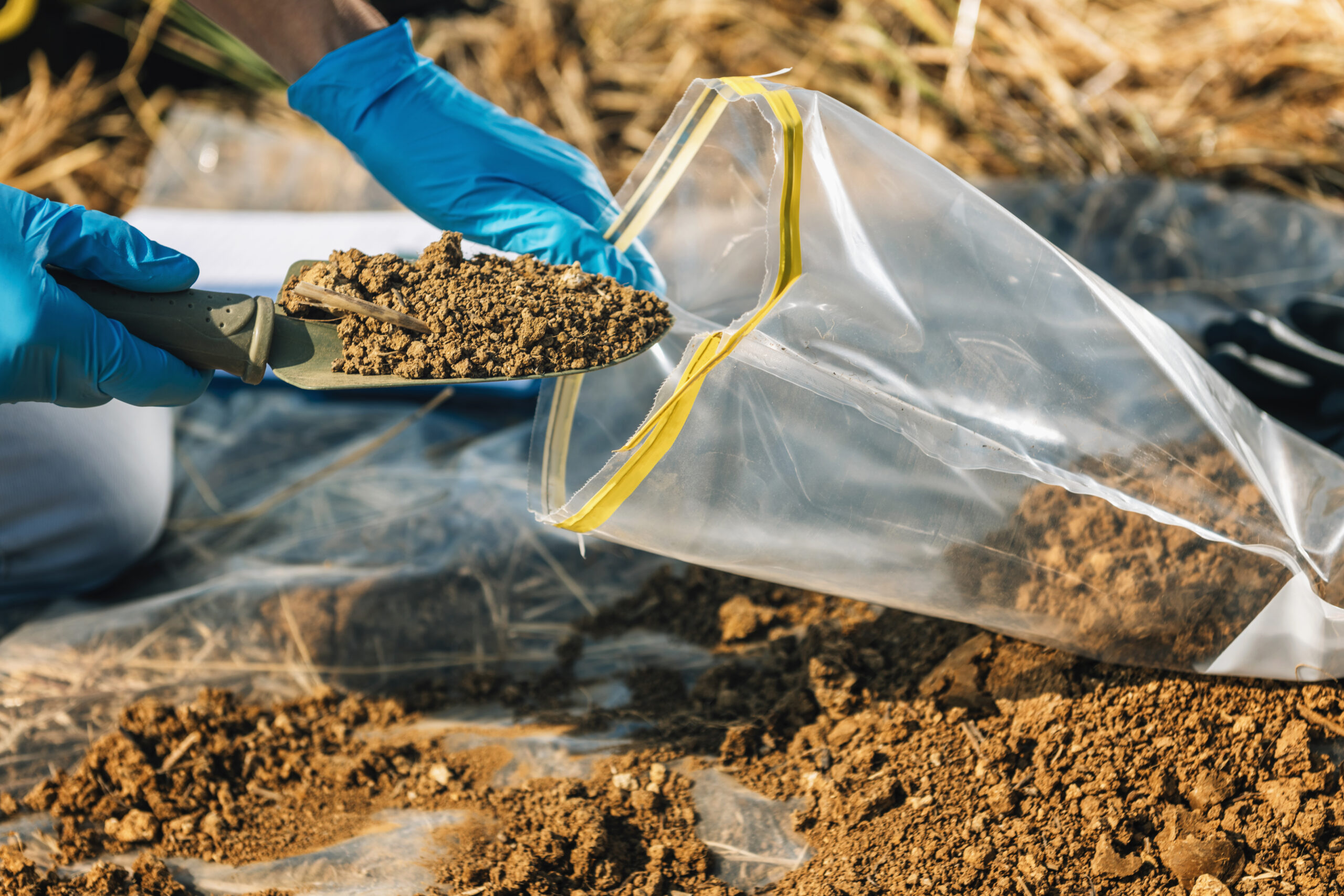
A qualified soil testing agency performs both field investigations and laboratory soil testing to generate accurate engineering data. This information guides foundation design, grading plans, slope stability analysis, and regulatory compliance.
At G3SoilWorks, our soil laboratory testing procedures follow industry standards to ensure reliable, defensible results for construction and development projects.
Not all soil behaves the same. Clay, sand, silt, and gravel each respond differently to moisture, loading, and environmental changes. Without professional analysis, assumptions about soil behavior can lead to costly mistakes.
Through detailed soil testing services, we evaluate:
We determine whether soil is expansive clay, loose sand, collapsible fill, or engineered material. Expansive soils, common in parts of Southern California, can swell and shrink dramatically, causing foundation movement.
Shear strength measures the soil’s ability to resist sliding or failure. This is critical for slope stability, retaining walls, and hillside developments.
Highly compressible soils can lead to uneven settlement. Soil foundation engineering depends on accurate settlement data to prevent structural damage.
Understanding these properties allows engineers to design foundations that perform safely over the long term.
One of the most important aspects of soil testing is determining bearing capacity—the amount of weight the soil can safely support.
If bearing capacity is overestimated:
If underestimated:
Our soil and material consultants conduct in-field testing and controlled laboratory soil testing to calculate accurate load-bearing values. This ensures that foundations are designed efficiently while maintaining structural safety.
Settlement is one of the leading causes of structural distress. Even small amounts of differential settlement can cause:
Through advanced soil laboratory testing, we evaluate consolidation characteristics, moisture sensitivity, and density. These factors allow us to predict how soil will behave over time under structural loads.
By integrating soil data into soil foundation engineering, we reduce the likelihood of post-construction failures.
Construction sites often present hidden risks that only thorough soil testing can uncover. These may include:
Southern California and the broader Western United States face unique geological challenges, including seismic activity and hillside development. With more than a century of combined experience, G3SoilWorks understands regional soil conditions better than most.
As a trusted soil testing agency, we analyze subsurface conditions and provide mitigation strategies to reduce geotechnical risk before construction begins.
Soil testing isn’t just about structural integrity—it’s also about environmental safety.
Contaminated soil can contain:
This is especially important for redevelopment projects or former industrial sites. Our soil testing services include environmental evaluations that identify potential contamination concerns.
By performing proper laboratory soil testing, we help clients:
Foundation design is directly influenced by subsurface conditions. Whether shallow spread footings or deep foundations are required depends entirely on soil performance characteristics.
Through detailed soil foundation engineering, we determine:
Accurate soil testing ensures that foundation systems distribute loads evenly, resist movement, and maintain long-term stability.
Without this analysis, structural integrity becomes guesswork.
Building codes and municipal regulations often require certified soil reports prior to construction. Failing to conduct proper soil testing can delay permits or result in compliance violations.
G3SoilWorks provides documentation that meets regulatory standards across Southern California and the Western United States. As experienced soil and material consultants, we ensure all testing and reporting aligns with applicable engineering and environmental requirements.
Our experience navigating regional regulations helps clients move projects forward efficiently.
Not all soil testing providers offer the same depth of expertise. Choosing a qualified soil testing agency with extensive regional knowledge can significantly impact project outcomes.
G3SoilWorks stands apart because:
Our approach combines field investigation, soil laboratory testing, and engineering interpretation to deliver practical solutions.
Soil testing should occur:
Early testing reduces uncertainty and prevents costly redesigns.
In construction, the ground beneath your structure determines everything above it. Comprehensive soil testing protects your investment, ensures safety, and supports long-term structural performance.
At G3SoilWorks, we combine extensive field experience with advanced soil testing services, soil laboratory testing, and expert soil foundation engineering to provide dependable solutions. Our seasoned team of geologic engineers has guided projects across Southern California and the Western United States with precision and integrity.
If you’re planning a construction or development project, partner with a trusted soil testing agency that understands regional geology and delivers accurate, actionable results.
Contact G3SoilWorks today at 714-780-2747 to schedule professional soil testing and ensure your project is built on a stable foundation.
The cost of soil testing varies depending on site size, depth requirements, laboratory analysis, and project complexity. Residential projects typically cost less than large commercial or hillside developments. A professional soil testing agency can provide a site-specific estimate.
Most soil testing services, including field sampling and laboratory soil testing, can take anywhere from several days to a few weeks depending on project scope and regulatory requirements. Early scheduling helps prevent construction delays.
In many jurisdictions, soil testing is required before issuing construction permits—especially for new builds, additions, hillside construction, and redevelopment sites. Local regulations determine specific requirements.
If unsuitable soil is identified, engineers may recommend solutions such as soil stabilization, compaction, over-excavation and recompaction, deep foundations, or drainage improvements. Proper soil foundation engineering ensures structural safety despite challenging conditions.
Field testing evaluates conditions like density and compaction, while laboratory soil testing analyzes collected samples under controlled conditions to determine strength, compressibility, and chemical composition. Both are essential for accurate engineering decisions.
Follow, engage, learn. Stop by our blog to see what’s happening at G3SoilWorks.
G3Soilworks – a full service geotechnical/ engineering geologic consulting firm serving clients since 2009 and delivering expert solutions with our highly experienced team and specialized consultants.
G3SoilWorks
350 Fischer Avenue Costa Mesa, CA 92626
Tel. 714.668.5600
E. info@g3soilworks.com


