
Groundwater conditions can determine whether a construction project proceeds smoothly or encounters significant structural, financial, and safety challenges. For construction project managers, civil and geotechnical engineers, site supervisors, and infrastructure developers, subsurface water behavior is a critical variable that directly affects stability and long-term performance.
G3SoilWorks provides specialized groundwater consulting services across the United States, helping construction teams understand, monitor, and manage groundwater risks before they escalate into costly problems. Through advanced groundwater monitoring services and long-term data analysis, projects can move forward with greater confidence, regulatory compliance, and structural reliability.
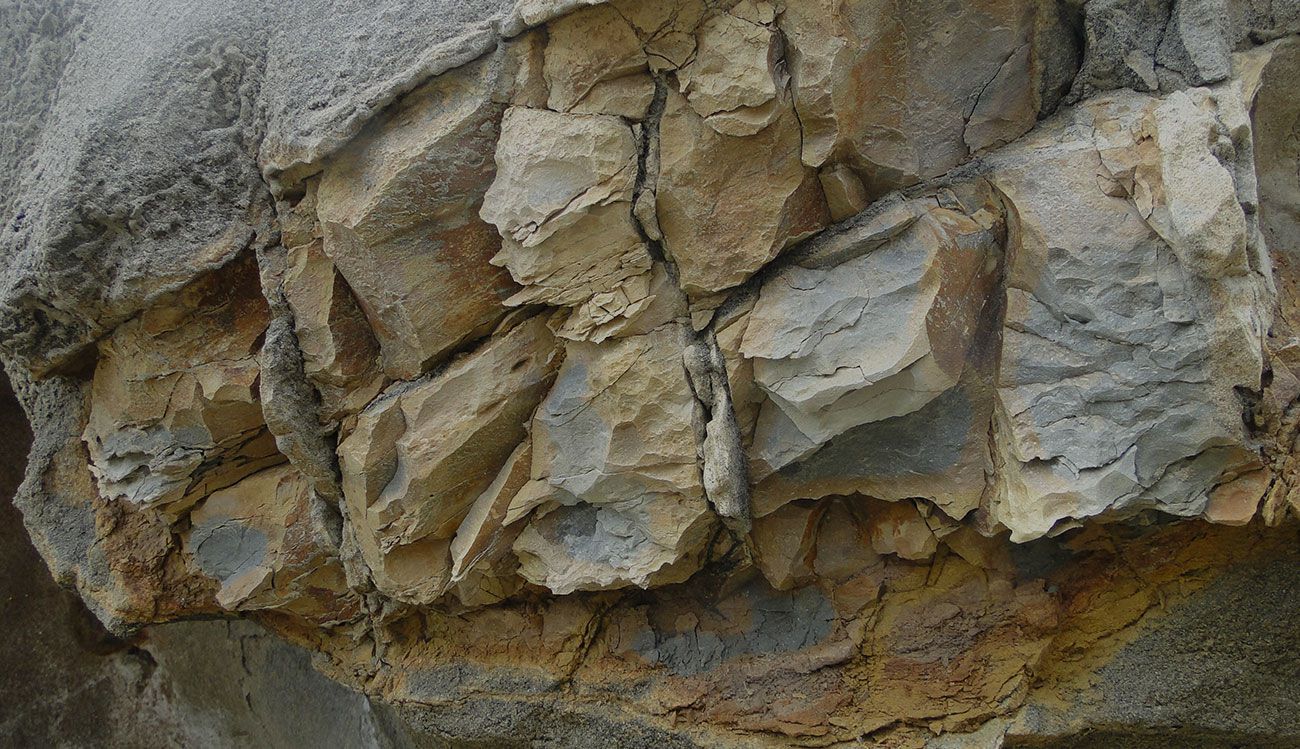
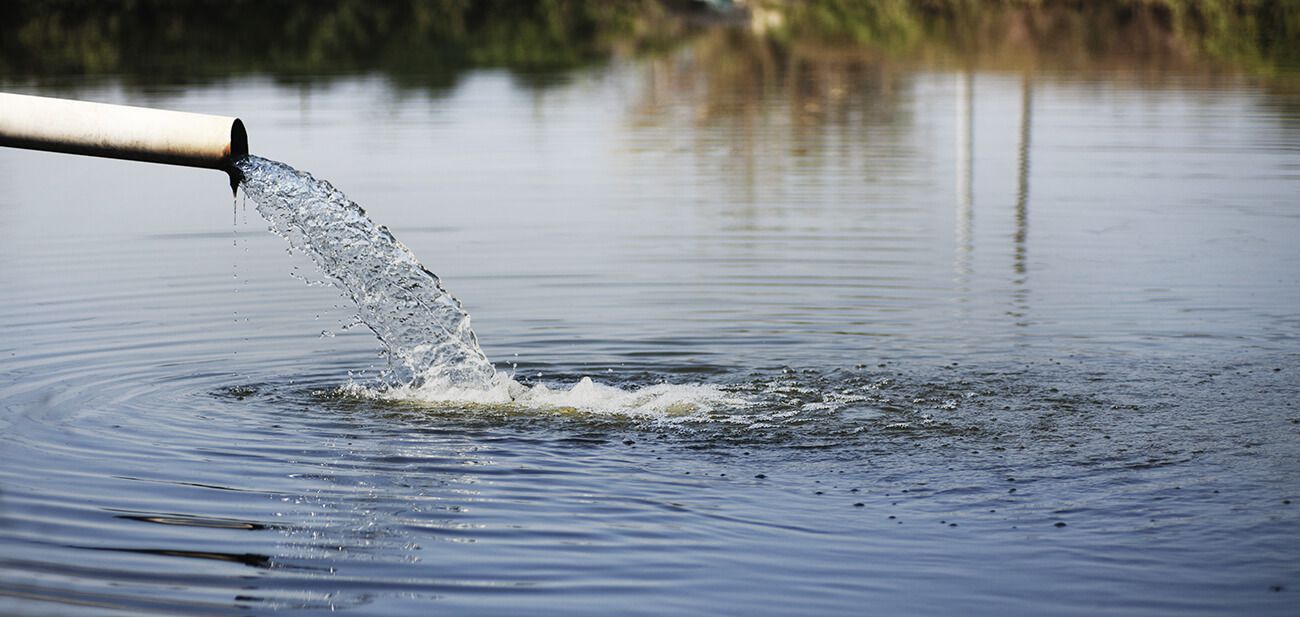
Groundwater is water that exists below the earth’s surface within soil pores, sand layers, gravel deposits, and fractured rock formations known as aquifers. Unlike surface water, groundwater is not immediately visible, yet it significantly influences soil mechanics and structural performance.
In construction, groundwater affects:
Even small changes in groundwater elevation can alter soil strength characteristics. For large infrastructure developments or deep foundation systems, these changes can introduce risk if not properly evaluated.
Groundwater levels fluctuate due to:
When groundwater rises, pore water pressure increases within soil layers. Increased pore pressure reduces effective stress, which in turn decreases soil strength. This process can weaken cohesive soils and cause granular soils to lose stability.
For civil and geotechnical engineers, understanding these fluctuations is essential to:
Construction sites frequently encounter groundwater-related challenges, including:
Professional groundwater consultants conduct hydrogeologic assessments to identify these risks early in the planning phase. This proactive approach prevents reactive crisis management during construction.
If groundwater conditions are not properly evaluated, foundation systems may be under-designed. Saturated soils often experience reduced shear strength, which can lead to:
These problems may not appear immediately but can manifest months or years after project completion, creating long-term liability concerns.
Below-grade structures—including basements, tunnels, underground parking facilities, and utility vaults—are particularly vulnerable to hydrostatic pressure. When groundwater levels rise above foundation elevation:
In severe cases, hydrostatic pressure can cause structural displacement or slab heaving. Accurate groundwater level monitoring allows engineers to design drainage and pressure relief systems that account for peak groundwater conditions.
Groundwater movement can cause internal erosion, also known as piping. This process gradually removes fine soil particles, weakening structural support. In sloped sites or roadway embankments, groundwater seepage may trigger:
Continuous groundwater monitoring services help identify abnormal flow patterns before visible failure occurs.
Post-construction groundwater changes can result from surrounding development, climate variation, or altered drainage systems. Over time, rising groundwater levels may:
For investors, insurance providers, and regulatory agencies, documented groundwater monitoring solutions demonstrate proactive risk management and asset protection.
Modern groundwater consulting services rely on precise instrumentation and data-driven methodologies. Common tools include:
These tools allow groundwater consultants to collect consistent, long-term data rather than relying on one-time measurements.
Effective groundwater monitoring services analyze multiple factors:
By studying these variables, engineers can refine foundation design, drainage planning, and slope stabilization strategies.
Short-term monitoring may capture limited data during favorable conditions, potentially underestimating peak groundwater levels. Continuous groundwater level monitoring offers:
For major infrastructure projects, long-term monitoring provides critical insight into both construction-phase and operational-phase risks.
Real-world groundwater data reduces reliance on conservative assumptions. Engineers can:
This precision improves safety while avoiding unnecessary overdesign costs.
Unexpected groundwater intrusion can halt excavation, damage equipment, and create unsafe working conditions. Proactive groundwater monitoring solutions allow site supervisors to:
Reducing unplanned downtime directly lowers project costs.
Many government agencies require hydrogeologic evaluations before approving construction permits. Comprehensive groundwater consulting services support:
Environmental consultants and regulatory bodies rely on accurate groundwater datasets for informed decision-making.
Sustainable construction depends on protecting both infrastructure and natural resources. Responsible groundwater management helps:
Long-term groundwater monitoring services support both economic and environmental sustainability goals.
Groundwater data should actively inform design decisions. Engineers can use monitoring insights to:
Adaptive planning ensures that design assumptions remain aligned with actual site conditions.
Advanced groundwater monitoring solutions include automated alert systems. These systems notify project teams when groundwater exceeds defined thresholds, enabling:
Early intervention significantly reduces safety hazards.
Monitoring does not end when construction is complete. Post-construction groundwater level monitoring provides ongoing protection by:
Property owners, developers, and investors benefit from documented, data-backed risk management.
Groundwater is an invisible yet powerful force that directly impacts construction safety, structural integrity, and regulatory compliance. Failing to understand and monitor groundwater conditions exposes projects to avoidable risks—including settlement, flooding, slope failure, and long-term deterioration.
Groundwater consulting services provide the expertise and data needed to manage these risks effectively. Through advanced groundwater monitoring services and continuous groundwater level monitoring, construction teams gain the clarity required to design safely and build confidently.
At G3SoilWorks, our experienced groundwater consultants deliver comprehensive groundwater monitoring solutions tailored to construction, infrastructure, and environmental projects across the United States. By integrating long-term groundwater data into every stage of development, G3SoilWorks helps protect investments, enhance safety, and ensure long-term structural performance.
A groundwater consultant evaluates subsurface water conditions, analyzes soil-water interactions, designs monitoring programs, and provides data to support safe foundation design, excavation planning, and regulatory compliance.
Costs vary depending on site size, monitoring duration, number of wells or sensors required, and project complexity. Long-term monitoring programs are typically more cost-effective than reactive remediation after structural issues occur.
Ideally, groundwater monitoring should begin during the site investigation phase, prior to final foundation design. Early data collection provides more accurate seasonal insights and reduces uncertainty.
Construction, infrastructure development, transportation, utilities, commercial real estate, environmental remediation, and municipal projects all benefit from groundwater monitoring solutions.
In many cases, yes. Post-construction monitoring helps detect settlement risks, hydrostatic pressure changes, and environmental compliance issues, ensuring long-term structural performance and asset protection.
Follow, engage, learn. Stop by our blog to see what’s happening at G3SoilWorks.
G3Soilworks – a full service geotechnical/ engineering geologic consulting firm serving clients since 2009 and delivering expert solutions with our highly experienced team and specialized consultants.
G3SoilWorks
350 Fischer Avenue Costa Mesa, CA 92626
Tel. 714.668.5600
E. info@g3soilworks.com


