
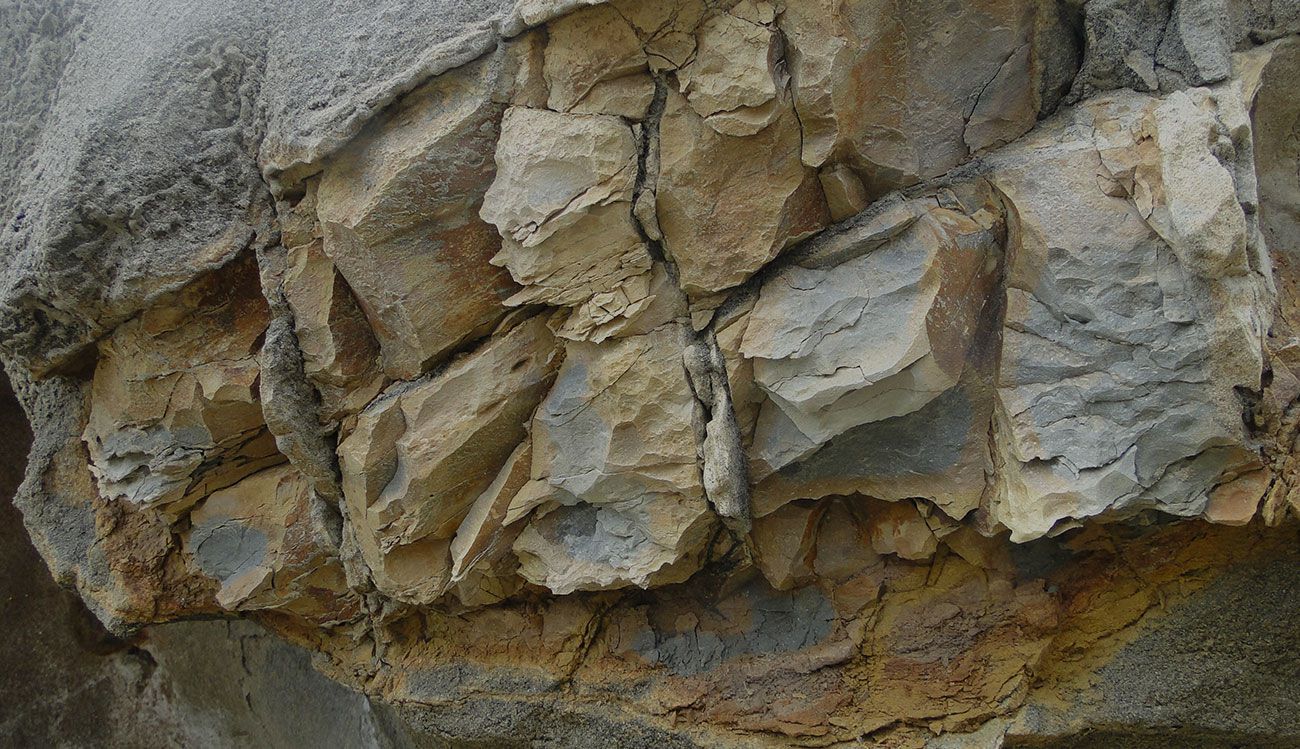
Historic buildings and sensitive structures tell the story of our communities. Yet many of these assets sit in growing urban areas where excavation, tunneling, demolition, and heavy construction are unavoidable. Without proper oversight, vibration impacts can cause irreversible damage.
Vibration monitoring during construction plays a critical role in protecting fragile structures, archaeological sites, and aging infrastructure from unintended harm. For heritage conservation authorities, engineers, contractors, and regulators, proactive monitoring is not just best practice — it is essential risk management.
At G3SoilWorks, we specialize in precision-driven construction vibration monitoring services that safeguard vulnerable structures while allowing development to move forward responsibly.
Below is your expanded content with each bullet point developed into 2–4 lines, maintaining technical clarity and authority while staying aligned with your audience and positioning.
Historic and heritage buildings were constructed using materials and techniques that differ significantly from modern engineering standards. Many rely on:
Unreinforced masonry
Common in pre-20th century construction, unreinforced masonry lacks embedded steel reinforcement. This makes it highly susceptible to tensile stresses caused by vibration, increasing the likelihood of cracking and joint separation.
Lime-based mortars
Unlike modern cement mortars, lime mortar is softer and more flexible. While beneficial for breathability, it degrades over time and can crumble or loosen when subjected to repetitive vibration cycles.
Timber framing
Older timber structures may have dried, warped, or weakened over decades. Vibrations can loosen traditional joinery connections, reducing overall stiffness and structural integrity.
Stone facades and decorative plaster
Ornamental stonework and plaster elements are often mechanically anchored or adhered with aged bonding agents. Even low-amplitude vibration can cause detachment or surface delamination.
Aging foundations
Historic foundations may consist of shallow stone footings or early concrete mixes. Settlement, prior water damage, or soil movement can make them highly sensitive to additional dynamic loading.
Over decades — or centuries — these materials deteriorate, reducing their ability to absorb dynamic loads. Even relatively low levels of ground vibration can trigger micro-cracking, material separation, or displacement.
Unlike modern buildings designed to tolerate controlled movement, heritage structures often lack redundancy. This makes careful vibration monitoring services essential when nearby construction is planned.
Construction-related vibration typically originates from:
Pile driving
Impact or vibratory pile driving transfers significant energy into the ground. These repetitive impulses can travel considerable distances, particularly in dense or cohesive soils.
Excavation and trenching
Heavy excavation equipment creates intermittent ground movement and localized soil disturbance. These vibrations may seem minor but can accumulate over extended construction periods.
Rock blasting
Controlled blasting generates high-energy shock waves. Without precise monitoring, these waves can exceed safe thresholds for nearby fragile structures.
Compaction equipment
Rollers and plate compactors produce sustained vibration to densify soil. When used near heritage buildings, compaction activities pose ongoing vibration exposure risks.
Demolition activities
Mechanical demolition using breakers or crushers creates irregular but powerful vibration events, especially when removing reinforced concrete elements.
Tunneling operations
Tunnel boring machines and ground support installation can transmit vibration through both soil and rock strata, potentially affecting overlying or adjacent historic properties.
Additionally, increased traffic from heavy vehicles can amplify background vibration levels, particularly in confined urban corridors.
These activities generate energy waves that travel through soil and structural elements. Factors influencing impact include:
Soil type and stratigraphy
Dense rock transmits vibration differently than loose fill or clay. Layered soil profiles can either dampen or amplify wave propagation.
Distance from vibration source
Vibration intensity generally decreases with distance, but certain soil conditions may allow energy to travel farther than anticipated.
Frequency and duration
High-frequency vibrations may affect brittle materials, while low-frequency vibrations can resonate with structural components over time.
Structural condition of nearby buildings
Pre-existing cracks, weakened mortar joints, or prior settlement can significantly increase vulnerability to vibration damage.
Without proper construction vibration monitoring equipment, it is impossible to accurately quantify how much vibration is reaching a protected site.
Uncontrolled vibration can lead to:
Hairline or visible cracking in masonry
Repeated dynamic stress can initiate fine cracks that gradually widen. Over time, these cracks compromise both aesthetics and structural performance.
Separation of decorative facades
Anchored stone panels or ornamental elements may loosen, creating safety hazards and costly restoration requirements.
Settlement or foundation displacement
Vibration-induced soil densification or shifting can lead to uneven settlement, affecting door alignment, load distribution, and wall stability.
Loosening of historic plaster and finishes
Interior plasterwork may detach from substrates due to cyclical movement, particularly in older buildings with lath-and-plaster systems.
Compromised load-bearing elements
Columns, load-bearing masonry walls, and arch systems may experience stress redistribution, reducing safety margins.
Damage may not be immediately visible. In many cases, repeated low-level vibration accelerates deterioration over time — a critical concern for preservation specialists and structural engineers.
Failure to implement vibration monitoring during construction introduces significant technical, legal, and financial risks.
Heritage facades and ornamental details are particularly vulnerable. Vibrations can:
Propagate existing cracks
Minor pre-existing cracks may expand under dynamic loading, leading to visible structural damage.
Dislodge stonework
Stone blocks or coping elements can shift or detach, creating falling hazards and preservation challenges.
Damage intricate architectural features
Carvings, cornices, and historic moldings are especially sensitive to repeated vibration exposure.
Repairing heritage materials is often costly and technically complex, requiring specialized conservation expertise.
Aged masonry and timber systems may already operate near their structural limits. Additional vibration loads can:
Reduce load-bearing capacity
Repeated stress cycles can weaken compression zones within masonry walls.
Trigger localized collapse
Unsupported or weakened sections may fail if vibration thresholds are exceeded.
Compromise lateral stability
Shear resistance in older buildings can degrade, increasing susceptibility to lateral movement.
For civil and structural engineers, this represents an unacceptable risk without continuous monitoring.
Subsurface vibration can disturb fragile archaeological deposits. In urban centers with rich historical layers, unmanaged vibration may:
Shift artifacts
Movement within soil strata can displace artifacts from their documented positions.
Destabilize excavation walls
Excavated trenches or test pits may lose integrity under sustained vibration.
Compromise site documentation
Stratigraphic relationships may be altered, reducing the scientific value of findings.
Environmental and geotechnical consultants must consider subsurface sensitivity when drafting a vibration monitoring specification.
Ignoring monitoring requirements often results in:
Stop-work orders
Regulators may halt construction if damage complaints arise without monitoring documentation.
Regulatory penalties
Failure to comply with heritage protection standards can lead to fines or revoked permits.
Litigation from property owners
Owners of adjacent properties may pursue claims for alleged vibration damage.
Insurance disputes
Without baseline data, proving or disproving claims becomes difficult.
Reputational damage
Publicized harm to heritage structures can negatively impact a contractor’s or developer’s credibility.
Government bodies increasingly require documented construction vibration monitoring services as a condition of approval.
Modern vibration monitoring equipment allows precise measurement and real-time response.
Triaxial geophones
Measure vibration velocity in three orthogonal directions, capturing complete ground motion data.
High-sensitivity accelerometers
Detect subtle movement levels, particularly useful for delicate structures.
Data loggers with continuous recording
Provide uninterrupted measurement, ensuring peak events are captured.
Wireless communication modules
Enable remote monitoring and instant alert delivery.
Cloud-based monitoring dashboards
Allow stakeholders to review live data, download reports, and track trends.
These tools measure Peak Particle Velocity (PPV), a key metric for assessing potential structural impact.
At G3SoilWorks, our vibration monitoring services deploy calibrated, industry-grade sensors configured to meet project-specific regulatory requirements.
As cities expand, the balance between development and preservation becomes increasingly complex. Heritage buildings, archaeological sites, and aging infrastructure require deliberate protection when nearby construction activities occur.
Vibration monitoring during construction provides the data, accountability, and early warning systems necessary to safeguard fragile structures. From condition surveys to real-time alerts and regulatory reporting, comprehensive construction vibration monitoring services are essential for responsible project delivery.
Contact G3SoilWorks to combine advanced vibration monitoring equipment, technical expertise, and regulatory insight to protect sensitive structures while keeping projects on schedule. By integrating monitoring into your construction strategy, you reduce risk, preserve cultural assets, and demonstrate leadership in sustainable development.
FAQs
Safe vibration limits vary depending on structural condition and material type. Many guidelines reference Peak Particle Velocity (PPV) thresholds that differ for reinforced structures versus unreinforced masonry. A project-specific engineering assessment is essential.
Monitoring is often required when construction occurs near listed heritage structures, archaeological sites, tunnels, or aging infrastructure. Local permitting authorities typically specify requirements during project approval.
PPV is measured using triaxial geophones that capture ground motion in three directions. The highest instantaneous velocity recorded during an event is compared against established safety thresholds.
Yes. Real-time alerts allow contractors to adjust operations before damage occurs, reducing the likelihood of stop-work orders, disputes, or compliance violations.
Monitoring should remain active throughout all high-risk activities such as excavation, pile driving, demolition, or tunneling. Some projects also include post-construction observation periods to confirm stability.
Follow, engage, learn. Stop by our blog to see what’s happening at G3SoilWorks.
G3Soilworks – a full service geotechnical/ engineering geologic consulting firm serving clients since 2009 and delivering expert solutions with our highly experienced team and specialized consultants.
G3SoilWorks
350 Fischer Avenue Costa Mesa, CA 92626
Tel. 714.668.5600
E. info@g3soilworks.com


