
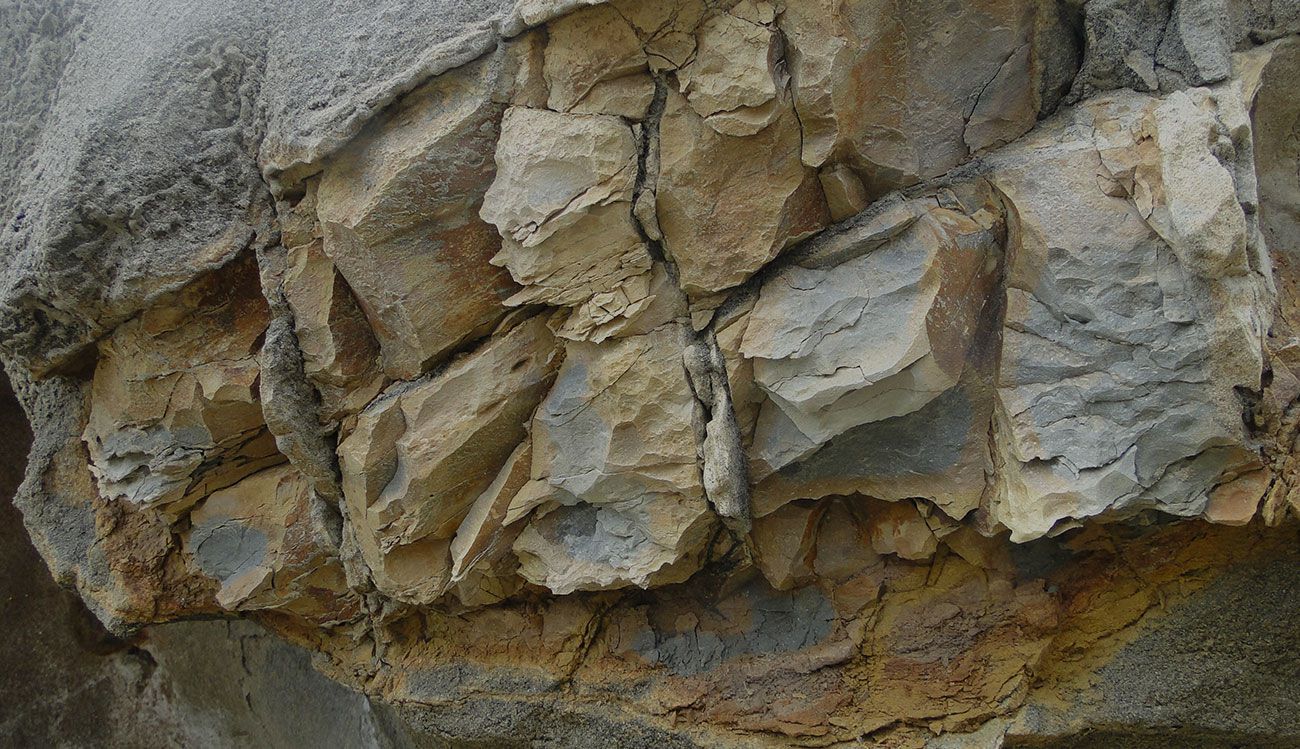
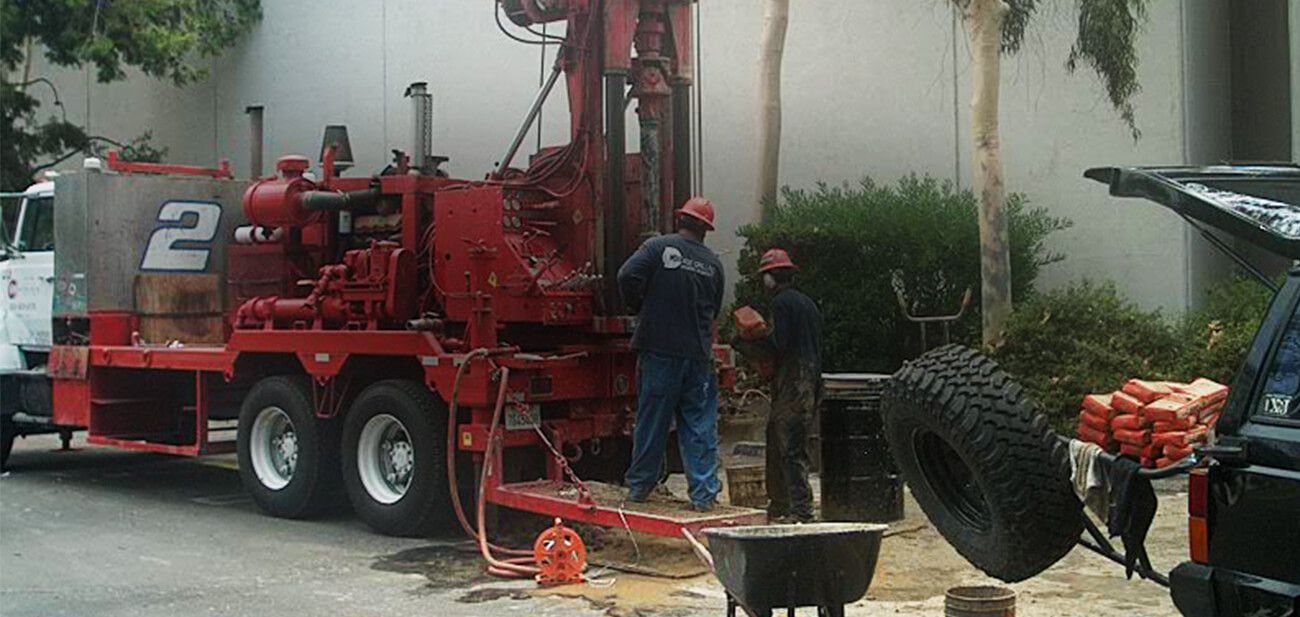
Successful property development begins long before construction equipment arrives on-site. Understanding subsurface conditions is one of the most important steps in minimizing risk, controlling costs, and ensuring long-term structural performance. Geotech services provide the engineering insight needed to evaluate soil, rock, and groundwater conditions before design and construction begin, helping developers make informed decisions from the earliest planning stages.
At G3SoilWorks, our team delivers comprehensive geotech engineering and testing services and solutions tailored to the unique challenges of each project. Whether you are evaluating raw land for a residential community, planning a commercial development, or managing a large mixed-use project, experienced geotech engineers help identify potential issues before they become costly construction problems. As one of the trusted geotech companies serving property developers, we combine engineering expertise with practical recommendations that support safe, efficient, and successful developments.
No two construction sites are exactly alike. Soil composition, groundwater levels, seismic activity, climate, and geological history vary significantly from one region to another, directly influencing foundation design, earthwork requirements, and long-term structural stability.
Regional soil conditions can affect:
For example, expansive clay soils commonly found in many regions can swell when wet and shrink during dry periods, creating movement that may damage foundations, sidewalks, and underground utilities. Sandy soils may offer good drainage but require careful evaluation of bearing capacity. Areas with high groundwater can complicate excavation and foundation installation, while mountainous terrain often introduces slope stability concerns.
Professional geotechnical engineering begins with understanding these regional characteristics and translating field observations into engineering recommendations that reduce uncertainty throughout the project lifecycle.
Property developers who invest in thorough geotechnical investigations during the planning phase often experience fewer construction delays, lower repair costs, and greater confidence in long-term project performance.
Every development project presents unique subsurface conditions, but several geotechnical challenges consistently affect construction projects across the United States.
Clay-rich soils expand when they absorb moisture and contract as they dry. This continuous movement can lead to:
Proper soil evaluation helps engineers recommend foundation systems designed to accommodate or minimize soil movement.
Some soils lack sufficient strength to safely support buildings and infrastructure.
Common examples include:
Without proper investigation, these conditions may result in excessive settlement or structural instability.
Settlement occurs naturally as soils compress under structural loads. Problems arise when different portions of a structure settle at different rates.
Potential consequences include:
Settlement analysis allows geotech engineers to recommend appropriate foundation solutions before construction begins.
Groundwater can significantly affect:
Groundwater investigations help developers anticipate dewatering requirements and drainage strategies early in project planning.
Projects located on hillsides or near natural slopes require careful evaluation of:
Slope analyses help protect both the proposed development and neighboring properties.
In seismically active regions, geotechnical investigations evaluate hazards such as:
Understanding these risks allows structural and civil engineers to develop safer building designs.
A comprehensive site investigation provides the information necessary to understand subsurface conditions before construction begins. High-quality geotech engineering and testing combines field exploration, laboratory analysis, and engineering interpretation to produce reliable recommendations.
The investigation often begins with a review of:
This preliminary assessment helps identify areas requiring further investigation.
Field investigations commonly include:
These methods provide valuable information about soil layering, rock conditions, and groundwater depth.
Collected samples undergo laboratory testing to determine engineering properties such as:
These results provide the data necessary for foundation and earthwork design.
Laboratory results are combined with field observations to evaluate:
Experienced geotech engineers interpret these findings within the context of the project’s structural requirements and regional geology.
A comprehensive geotechnical report typically includes:
These reports become valuable resources for architects, structural engineers, civil engineers, and contractors throughout project development.
Identifying geotechnical challenges is only part of the process. The real value lies in developing practical engineering solutions that improve project safety and performance.
Based on site conditions, engineers may recommend:
Foundation recommendations consider structural loads, soil characteristics, and anticipated settlement.
When native soils are unsuitable for construction, several improvement methods may be considered.
Common techniques include:
These methods improve soil strength while reducing settlement and increasing bearing capacity.
Proper drainage significantly influences long-term soil performance.
Effective drainage strategies may include:
Managing water effectively helps preserve soil strength while reducing erosion and hydrostatic pressure.
For developments on or near slopes, stabilization measures may include:
Slope stabilization protects both existing landforms and new construction.
Geotechnical involvement continues during construction through:
Construction support confirms that field conditions remain consistent with design assumptions and engineering recommendations.
Successful developments integrate geo tech services early rather than treating geotechnical investigations as a regulatory requirement.
Early investigations allow design teams to incorporate subsurface conditions before plans are finalized, reducing redesign costs and schedule impacts.
Choosing qualified geotech companies with regional experience improves the accuracy of investigations and the practicality of engineering recommendations.
Experienced professionals understand local geology, building codes, permitting requirements, and construction practices that influence project outcomes.
Geotechnical recommendations should be shared with:
Collaborative planning improves design integration and reduces field conflicts.
Good engineering extends beyond construction. Developers should consider:
Planning for long-term performance protects investments and reduces maintenance costs.
Even the best engineering recommendations depend on proper implementation.
Quality assurance should include:
Continuous oversight helps ensure that construction aligns with engineering specifications.
While geotechnical investigations represent a relatively small portion of total development costs, they can prevent expensive issues such as foundation failures, excessive settlement, drainage problems, and construction delays. Early identification of subsurface conditions enables developers to make informed decisions that support safer, more efficient, and more predictable project outcomes.
At G3SoilWorks, we understand that successful developments begin with reliable engineering information. Our experienced team provides comprehensive geotechnical engineering solutions that help property developers reduce uncertainty throughout every stage of a project.
From preliminary site investigations and laboratory testing to foundation recommendations, slope stability evaluations, and construction support, our geotech engineers work closely with developers, civil engineers, architects, and contractors to deliver practical solutions tailored to regional soil conditions. Our commitment to technical excellence, transparent communication, and evidence-based recommendations has made us one of the trusted geotech companies supporting residential, commercial, industrial, and infrastructure developments.
Every successful property development depends on understanding the ground beneath it. Regional soil conditions, groundwater levels, seismic hazards, and terrain all influence foundation design, construction methods, and long-term structural performance. Investing in geotech services early in the planning process helps identify potential risks, optimize engineering solutions, and reduce costly surprises during construction.
Whether your project involves residential communities, commercial developments, mixed-use properties, or large-scale infrastructure, our experienced experts deliver practical recommendations that support safer construction, regulatory compliance, and long-term project success. Ready to ensure your next development is built on a solid foundation? Contact G3SoilWorks today at 714-780-2747 or email us at info@g3soilworks.com to discuss your project needs and discover how our specialized geotechnical solutions can help.
Geotechnical investigations help developers evaluate whether a site is suitable for development before purchasing land. Understanding soil conditions, groundwater levels, and potential geological hazards can prevent unexpected costs and influence the property’s overall feasibility.
Yes. Identifying subsurface conditions early allows project teams to anticipate excavation methods, foundation requirements, and earthwork needs, reducing delays caused by unforeseen ground conditions during construction.
For redevelopment sites, geotechnical engineers evaluate existing fill materials, previous construction impacts, and subsurface conditions to determine whether the site can safely support new structures or requires remediation before development.
Groundwater levels can fluctuate seasonally and influence excavation safety, foundation installation, and long-term drainage performance. Ongoing groundwater monitoring helps developers make informed decisions throughout construction and future site management.
Well-designed geotechnical solutions reduce the likelihood of future foundation movement, drainage failures, erosion, and excessive maintenance costs, helping protect the property’s structural integrity and long-term investment value.
Follow, engage, learn. Stop by our blog to see what’s happening at G3SoilWorks.
G3Soilworks – a full service geotechnical/ engineering geologic consulting firm serving clients since 2009 and delivering expert solutions with our highly experienced team and specialized consultants.
G3SoilWorks
350 Fischer Avenue Costa Mesa, CA 92626
Tel. 714.668.5600
E. info@g3soilworks.com


